Holiday Travel: A Safer South African Road Trip
Plan better Holiday Travel with a practical South African road-trip checklist covering car checks, routes, costs, packing and safety.
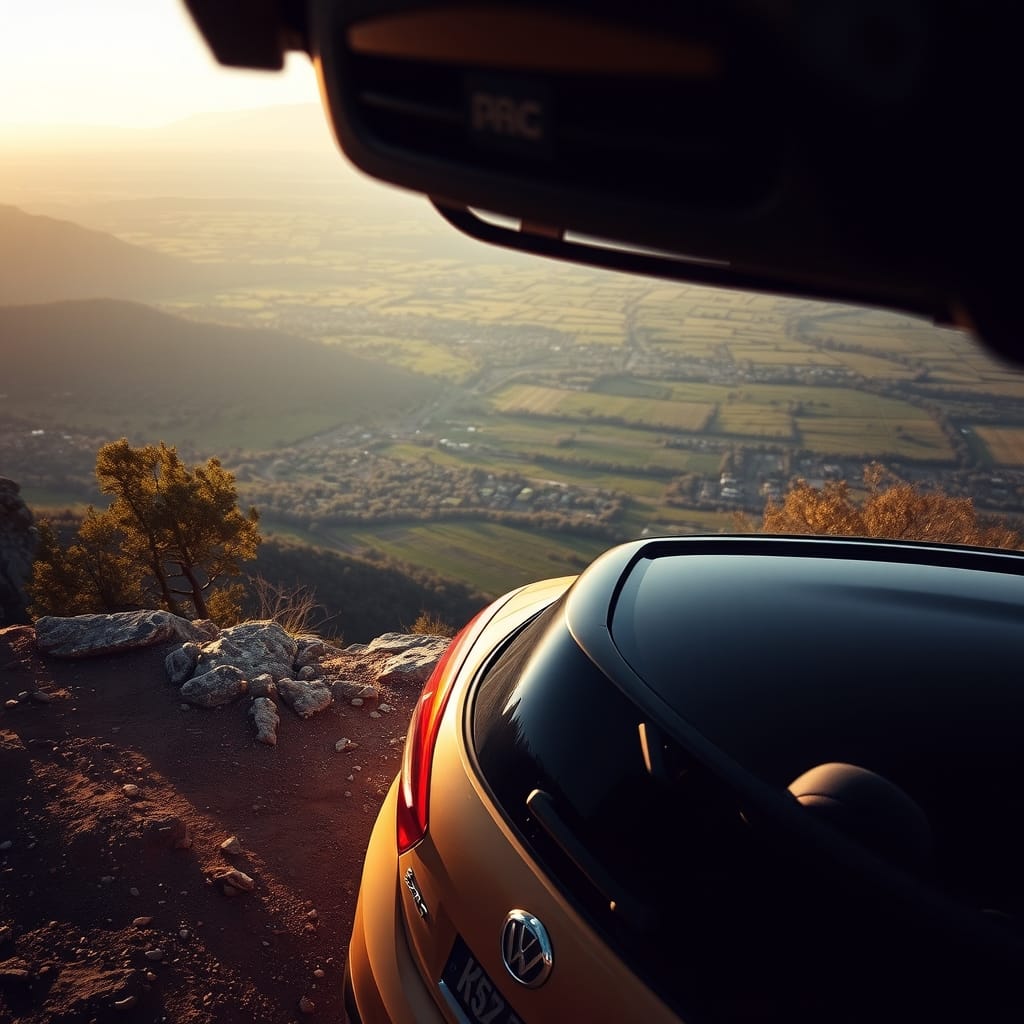
Holiday Travel across South Africa can turn into a costly, tiring exercise when December traffic, summer storms and an unprepared car all arrive at once. A little planning helps you spend more time enjoying the coast, bush or mountains and less time waiting for a tow truck on the N3.
Whether you are driving from Johannesburg to Durban, heading towards the Kruger National Park or taking a bakkie into the Drakensberg, the basics remain the same: check the vehicle, plan realistic stops, protect your budget and leave room for changing conditions.
Holiday Travel starts with the car
Your car does not need to be exotic to make a good road-trip partner, but it does need to be roadworthy. A modified GTI, family hatchback, SUV or bakkie can cover long distances reliably when routine maintenance is up to date.
Use this pre-trip checklist
- Check tyre pressure when the tyres are cold, including the spare.
- Inspect tread, sidewalls and valve caps for damage.
- Test the brakes, headlights, brake lights, indicators and windscreen wipers.
- Check engine oil, coolant, brake fluid and windscreen-washer fluid.
- Confirm that the licence disc, insurance details and emergency contacts are current.
- Make sure the jack, wheel spanner, warning triangle and first-aid kit are present.
- Book a service before the holiday rush if one is due.
The AA advises motorists to check tyres, lights, brakes, fluids and emergency equipment before and after long journeys.[3][6] A tyre pressure reading from the handbook or the sticker inside the driver’s door is more useful than guessing, especially when the boot is full.
Choose a route that matches your holiday
A route is more than the fastest line on a navigation app. It must suit your passengers, fuel range, luggage, weather and the vehicle you are driving.
- Johannesburg to Durban: Allow extra time around Gauteng and KwaZulu-Natal traffic, and take mountain-pass conditions seriously. Keep your speed down in rain and fog.
- Johannesburg to the Lowveld: Plan fuel and meal stops before leaving major towns. If you are entering a game reserve, confirm gate times and accommodation rules in advance.
- Johannesburg to the Cape: Break the trip into sensible driving days rather than treating it as one long push. Fatigue is a bigger risk than arriving a few hours earlier.
- Drakensberg or gravel destinations: Check the road surface and weather forecast. A low sports car may be enjoyable on smooth tar but unsuitable for deep ruts, loose stones or flooded crossings.
For national-park trips, read the current information on the SANParks website. SANParks requires visitors to follow normal road rules, respect gate times and drive safely around people and animals.[1]
Build a realistic road-trip budget
Petrol is only one part of the cost. A simple budget prevents the familiar end-of-trip surprise when tolls, food and accommodation have all added up.
- Fuel: Estimate your distance, divide it by the car’s real-world fuel consumption, then multiply by the current pump price.
- Tolls: Check the latest toll charges for your route and keep a payment method available.
- Food: Budget separately for sit-down meals, quick service stops, snacks and bottled water.
- Accommodation: Include parking, deposits and possible peak-season surcharges.
- Vehicle reserve: Keep money aside for a puncture, replacement wiper, unexpected overnight stop or minor repair.
For example, a 1 500 km return journey in a car using 7,5 litres per 100 km needs roughly 112,5 litres of fuel. Multiply that figure by the current petrol price, then add tolls and a sensible contingency. Your actual consumption will change with speed, traffic, roof racks, luggage and air-conditioning.
Pack for South African conditions
Summer road trips can include heat, thunderstorms, power interruptions and long gaps between service stations. Pack for the time you may spend stopped, not only for the moment you arrive.
Keep these items accessible
- Drinking water and non-melting snacks.
- Sunblock, hats and light clothing.
- Chargers, a power bank and an offline copy of important bookings.
- Basic medication and a first-aid kit.
- A torch, reflective vest and warning triangle.
- Wet-weather jackets and a change of clothes.
- Bin bags, tissues and hand sanitiser.
- Secure luggage straps for roof boxes, trailers or bakkie loads.
Do not place heavy bags loose in the passenger compartment. In a sudden stop, they can become dangerous projectiles. Keep valuables out of sight when parked and avoid leaving the car unattended in isolated areas.
Drive for the conditions, not the sign
A posted speed limit is not a target when visibility is poor, traffic is dense or water is standing across the road. Slow down early, increase following distance and switch on headlights in heavy rain.
Plan a break about every two hours or roughly 200 km, depending on the route and your energy levels. The AA recommends regular stops to rest, refuel and refresh, as well as carrying water, a first-aid kit and a phone charger.[6] Share the driving only with a properly licensed, alert driver.
Never drive after drinking, even if the destination is close. Avoid phone use while moving, and do not rely on a navigation app to make decisions for you. If a route becomes unsafe, stop somewhere legitimate and reassess it.
Wildlife requires additional care. Inside a park, animals have right of way and may appear without warning. Follow the park’s speed limits, remain inside the vehicle where required and never feed or approach animals.
Before you go: final Holiday Travel steps
- Confirm the booking, check-in time, cancellation terms and gate hours.
- Inspect the car at least a few days before departure, not on the morning you leave.
- Save the route, addresses and emergency contacts for offline access.
- Check weather and traffic shortly before setting off.
- Tell someone reliable your broad route and expected arrival time.
- Load the car so that the driver’s view and access to emergency equipment remain clear.
- Leave early enough to drive calmly, with planned stops and a backup route.
After returning, inspect the tyres, lights, brakes, fluids and spare wheel again. The AA also recommends checking service timing, insurance details and emergency equipment after a long journey.[3] A few minutes in the driveway can reveal damage before the next commute.
FAQ
What should I check on my car before Holiday Travel?
Check tyres and the spare wheel, fluids, lights, brakes, wipers, licence disc, warning triangle and first-aid kit. If the car is due for a service or shows a warning light, have it inspected before leaving.
How often should I stop on a long South African road trip?
Plan a break about every two hours or 200 km, but stop sooner if you feel tired, distracted or unwell. Rest breaks should include water, food and a proper change of driver where possible.
What is the safest way to travel through a national park?
Follow the park’s speed limits and gate times, stay on authorised roads, give animals space and obey instructions from staff. Check the latest rules before departure on the official SANParks website.