Mountain Passes: A South African Driving Guide
Plan safer, more rewarding drives through South Africa’s Mountain Passes with route ideas, car checks, weather advice and practical packing tips.
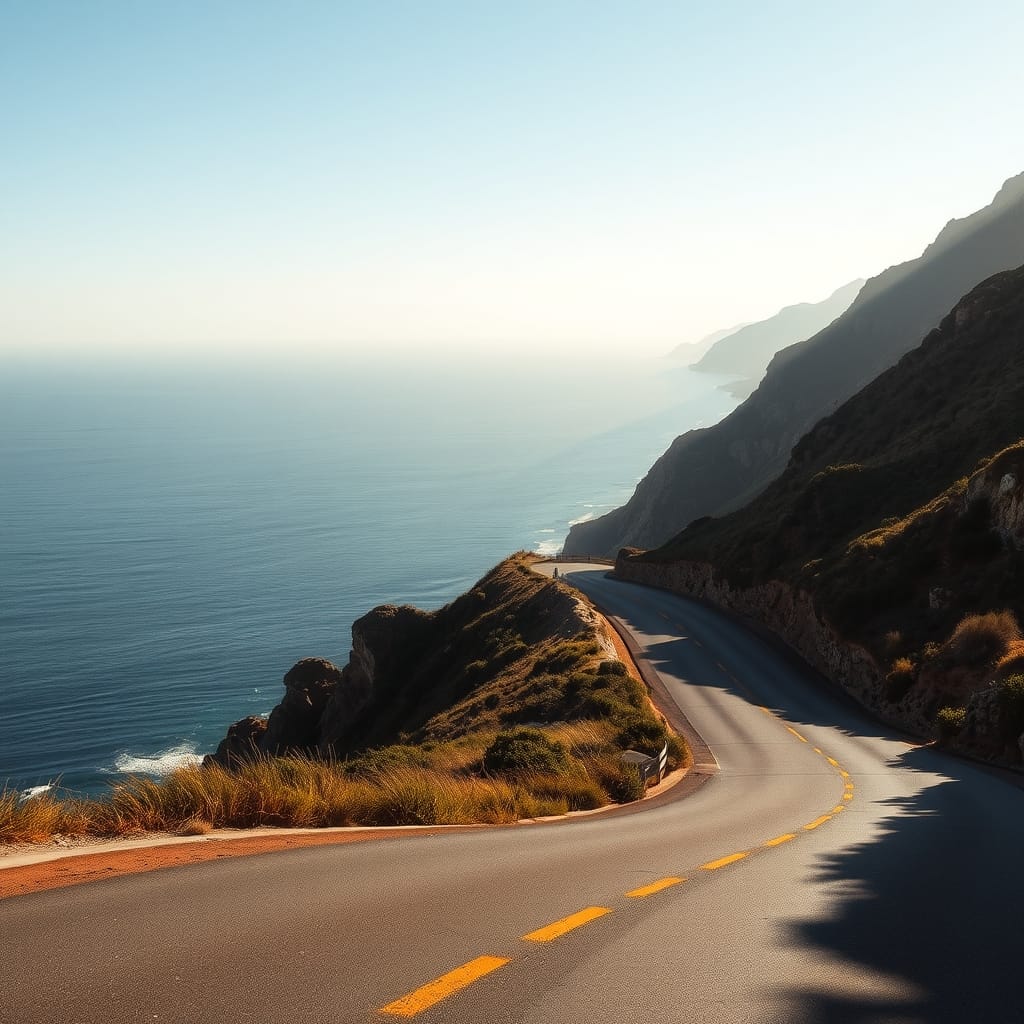
A mountain pass can turn an ordinary weekend drive into a proper South African adventure, but the same bends, weather and changing road surfaces that make Mountain Passes exciting can also catch an unprepared driver off guard. With petrol price increases, December traffic and sudden snow or thunderstorms affecting routes, planning matters as much as the car you drive.
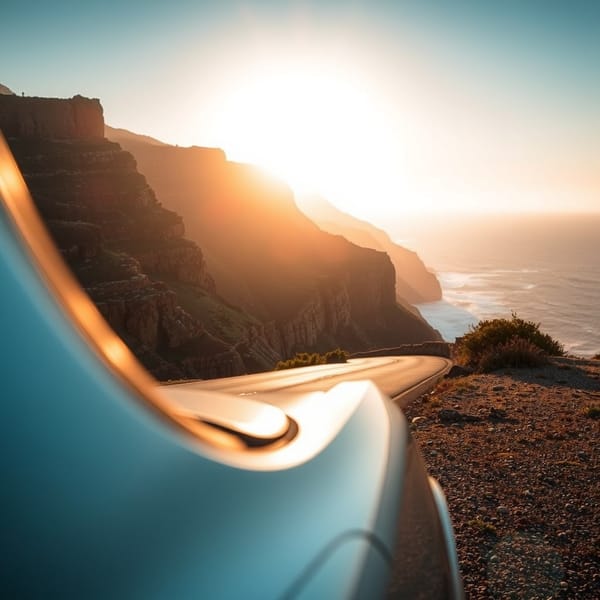
From the tarred sweep of Van Reenen’s Pass to gravel routes in the Drakensberg and Karoo, Mountain Passes reward patience rather than bravado. A GTI can be brilliant on a clean, winding road, while a bakkie or SUV may be the sensible choice for rougher terrain. The right route depends on the weather, your tyres, daylight and how much ground clearance you have.
Why Mountain Passes deserve more than a quick GPS search
South Africa’s passes are working roads, not private race tracks. You may share a narrow section with trucks, taxis, cyclists, livestock, pedestrians or a vehicle towing a trailer. Blind corners can hide potholes, stopped vehicles and fallen rocks.
GPS navigation is useful, but it should not be your only source of information. Check official road updates before leaving, especially after heavy rain, snowfall or a veld fire. SANRAL has previously warned that snow can create dangerous conditions and temporary closures on routes such as Penhoek Pass and Wapadsberg Pass.
National parks add another layer of planning. SANParks requires drivers to remain on designated roads, observe speed limits and respect gate times. After-hours driving is not allowed in many park areas, so a route that looks short on a map may not fit your day.
Mountain Passes worth putting on your route list
KwaZulu-Natal and the Drakensberg
Oliviershoek Pass on the R74 links the Bergville area with the Free State and can serve as an alternative to Van Reenen’s Pass. The scenery is a major part of the appeal, but conditions can change quickly at altitude. Mike’s Pass near Bergville is a demanding gravel 4x4 route, not a casual outing for a low-slung hatchback.
If you are travelling from Johannesburg, build in time for fuel, food and weather checks rather than trying to rush through the route in one day. Snow, mist and wet surfaces can reduce visibility and grip.
Eastern Cape and the Karoo
The Eastern Cape offers long, open drives where distance between services can be significant. Passes around the N6, R58 and N9 may experience strong winds, rain or snow during cold weather. The best driving technique is smooth and conservative: reduce speed before a bend, keep both hands available and leave room for oncoming traffic.
Inside Karoo National Park, Klipspringer Pass is part of a protected-area experience rather than a place to chase cornering speeds. Follow park rules, watch for wildlife and confirm gate times before setting out.
Mountain roads and four-wheel-drive routes
Some gravel passes are suitable only for vehicles with adequate clearance, low-range gearing or experienced drivers. A standard hatchback may manage a well-maintained gravel road, but deep ruts, loose rock, water crossings and steep descents can quickly change that calculation.
Never assume that a route labelled “pass” is automatically suitable for your vehicle. Ask the relevant park, lodge or local authority about current conditions, and turn around if the road becomes unsafe.
How to prepare your car before the drive
A mountain route exposes weak tyres, tired brakes and cooling-system problems faster than a short urban trip. Complete these checks at least a day before departure:
- Check tyre pressures when the tyres are cold, including the spare wheel.
- Inspect tread depth, sidewalls, valve caps and signs of uneven wear.
- Test the brakes and pay attention to vibration, pulling or unusual noise.
- Check engine oil, coolant, windscreen washer fluid and brake fluid.
- Confirm that headlights, brake lights, indicators and hazards work.
- Make sure the jack, wheel-spanner and locking-wheel-nut key are present.
- Fill the tank before entering a remote section and keep a sensible fuel reserve.
- Download offline maps because mobile coverage can disappear in valleys.
For a manual car, use a lower gear on long descents rather than riding the brakes. In an automatic, select the appropriate low or manual mode where available. Braking early and gently is safer than arriving at a hairpin too fast.
A practical mountain-pass route plan
Use this simple plan for a day trip or longer road holiday:
- Choose one primary pass and one realistic alternative.
- Check road closures, weather warnings and park notices before departure.
- Estimate fuel stops using distance, terrain and your vehicle’s actual consumption.
- Leave Johannesburg or another major centre early enough to finish unfamiliar sections in daylight.
- Share your route and expected arrival time with someone who is not travelling with you.
- Save roadside assistance and emergency numbers before entering an area with weak signal.
- Stop only at safe, visible pull-offs, never on a blind bend or narrow shoulder.
- Recheck conditions before committing to a return route.
Keep your driving separate from your photography. Pull over completely before taking pictures, and avoid blocking viewpoints or passing lanes. A scenic road remains a public road, so courtesy matters.
What to pack for a safer drive
Pack for delays rather than an ideal schedule. Weather and roadworks can add hours to a journey, particularly in remote areas.
- Drinking water and food for an extended delay.
- Warm layers, a waterproof jacket and sturdy shoes.
- First-aid supplies and any required medication.
- Power bank, charging cable and a physical torch.
- Reflective vest or warning triangle for a roadside breakdown.
- Sun protection, especially at high altitude.
- Cash or a working payment option for small roadside stops.
- Bin bags so viewpoints and picnic areas stay clean.
Do not rely on a phone signal, a nearby restaurant or a quick tow truck. Services can be sparse, and weather may delay assistance. If you are hiking from a pass, tell someone your route, start time and expected return, then stay on a route appropriate to your fitness and experience. SANParks also advises visitors to take basic safety precautions because mountain areas can become dangerous when people are unprepared.
Before you go: make the drive the destination
Pick a route that matches your car and your experience, not just the most dramatic photograph online. A well-maintained GTI, sedan or bakkie can all make a memorable trip when driven within its limits.
Check SANRAL for relevant road information and consult SANParks when your route enters a national park. Confirm weather, fuel availability, gate times and surface conditions on the morning of departure.
Then slow down, keep your distance and leave room for the unexpected. The finest Mountain Passes drive is not the one with the highest average speed; it is the one where you arrive safely, with enough daylight and energy to enjoy the view.
FAQ
What is the best car for driving Mountain Passes in South Africa?
There is no single best car. A well-maintained hatchback or sedan is suitable for many tarred passes, while a vehicle with greater ground clearance and, where necessary, low-range four-wheel drive is better for rough gravel routes.
Are Mountain Passes safe to drive in winter?
They can be, but winter brings cold, mist, frost and possible snow at altitude. Check official warnings, avoid unnecessary travel during severe conditions and postpone the drive if authorities advise against it.
What should I do if my car breaks down on a mountain pass?
Move as far off the road as safely possible, switch on hazard lights, use a warning triangle if it is safe, stay visible and contact roadside assistance. Do not stand outside the vehicle on a blind bend or walk long distances for help without telling someone where you are.