Mpumalanga Road Trip: A Practical Guide
Plan a safer, more rewarding Mpumalanga road trip with scenic routes, wildlife, packing advice and practical tips for South African drivers.
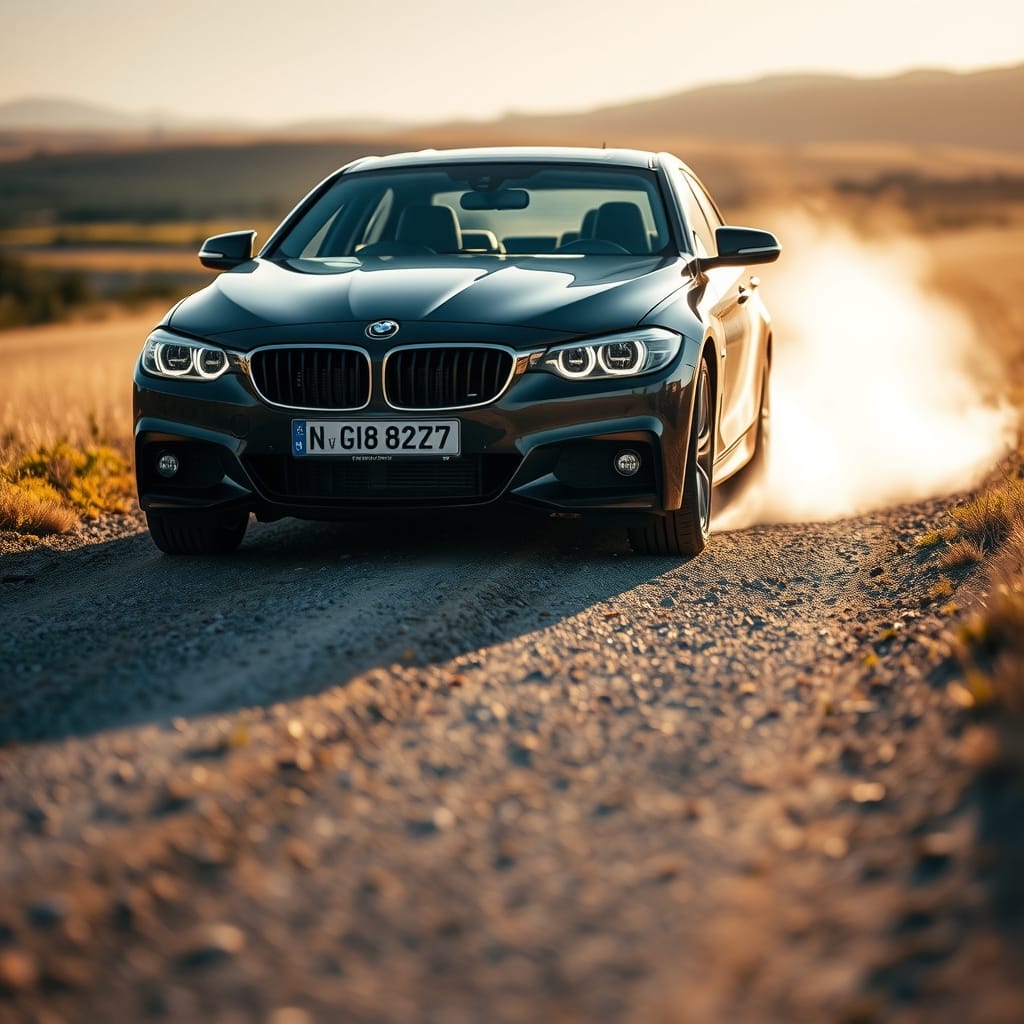
South African road trips are getting harder to plan. Petrol price increases, December traffic, changing weather and unreliable mobile coverage can turn a promising weekend away into a stressful drive. Mpumalanga rewards preparation: you can combine mountain scenery, wildlife, waterfalls and proper back-road driving without trying to do everything in one rushed itinerary.
From Johannesburg, the province is accessible by car, but its best experiences are spread across long distances. A sensible route, a mechanically sound vehicle and realistic driving times matter more than squeezing in every attraction. Whether you are travelling in a GTI, family SUV or bakkie, use this guide to plan Mpumalanga with fewer surprises.
Why Mpumalanga works so well for a road trip
Mpumalanga offers several distinct experiences within one province. The Highveld around Dullstroom and Belfast brings cooler weather, open landscapes and winding roads. The escarpment near Graskop, Sabie and Hazyview delivers dramatic viewpoints, forests and waterfalls. Further east, the Lowveld becomes warmer and more wildlife-focused, with access to the Kruger National Park and private reserves.
That variety means you can build a trip around your interests rather than follow a single template:
- Driving: scenic tar roads, passes and changing elevations.
- Outdoors: waterfalls, viewpoints, hiking and forest walks.
- Wildlife: self-drive game viewing and guided safaris.
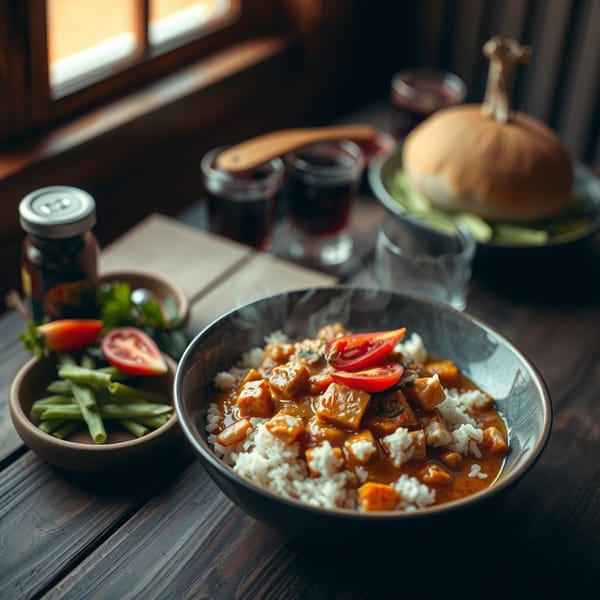
- Food: farm stalls, cafés, trout, local produce and relaxed country meals.
Do not confuse distance with convenience. A route that looks short on a map may include steep gradients, slow trucks, potholes, roadworks or stops that deserve more time than expected.
Planning a Mpumalanga route from Johannesburg
A practical three-day outline
- Day one: Travel via the N4 towards eMalahleni, Middelburg, Belfast and Dullstroom. Use Dullstroom or Lydenburg as an overnight base.
- Day two: Continue towards Sabie, Graskop or Hazyview. Allow time for viewpoints and short walks rather than treating the drive as a transit leg.
- Day three: Choose either a return via the N4 or a longer wildlife-focused stay near the Kruger National Park.
For a Kruger-focused trip, SANParks lists Johannesburg driving distances of approximately 411 km to Numbi Gate, 430 km to Phabeni Gate, 428 km to Malelane Gate and 475 km to Crocodile Bridge Gate. These are planning figures, not guaranteed travel times, so add fuel, traffic and rest-stop time.[3]
Book accommodation and park entry before leaving, particularly during school holidays and December. SANParks states that day-visitor numbers can be capped, and visitors with pre-booked overnight accommodation may receive priority when the threshold is reached.[5]
Scenic drives, viewpoints and outdoor stops
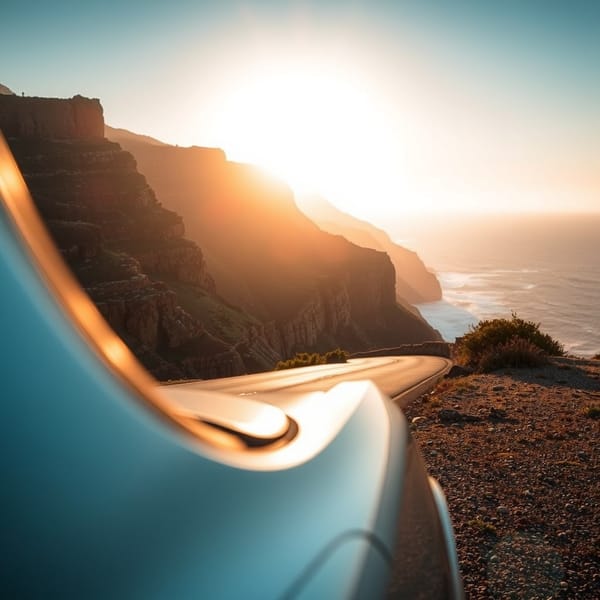
The Panorama Route around Graskop, Sabie and Hazyview is the classic introduction to the escarpment. Plan stops at recognised viewpoints and attractions, and keep valuables out of sight when leaving the car. Weather can change quickly at higher elevations, so a clear morning does not guarantee a clear afternoon.
Popular stops in the broader area include God's Window, Bourke's Luck Potholes, the Three Rondavels and several waterfalls near Sabie and Graskop. Check access conditions before setting out, especially after heavy rain, as water can affect paths, bridges and minor roads.
Safety on mountain roads
- Reduce speed before bends, not halfway through them.
- Keep a safe following distance behind trucks and coaches.
- Use low gears on long descents instead of riding the brakes.
- Do not overtake where the road markings, visibility or gradient make the manoeuvre uncertain.
- Stop only in clearly safe, legal areas, away from blind corners.
- Tell someone your route when hiking or driving beyond reliable mobile coverage.
A performance hatchback can be enjoyable on smooth sections, but Mpumalanga is not a place to chase lap times. Damaged wheels, overheated brakes and underbody impacts can ruin a weekend quickly.
Kruger National Park: prepare for the rules
The Kruger National Park is one of Mpumalanga's main draws, but a self-drive safari is not an ordinary road trip. You share the road with wildlife, must follow gate times and need patience. SANParks advises visitors to obey a 50 km/h limit on tar roads and 40 km/h on gravel roads.[10]
Inside the park:
- Stay in the vehicle unless you are at an authorised get-out point.
- Never approach, feed or pressure animals for a photograph.
- Keep windows and doors managed according to the situation.
- Carry water, snacks, a charged phone and a physical or offline map.
- Fill the tank before entering where practical, and do not assume every camp has the service you need.
- Leave enough time to reach your camp or gate before closing.
SANParks currently advises guests to use Phabeni Gate rather than Numbi Gate because of safety and security concerns, and recommends the R40 rather than the R538 between White River and Hazyview. Check the official park information immediately before travelling because access guidance can change.[2]
What to check before leaving
A pre-trip inspection costs less than a recovery call from a mountain pass. Give your vehicle attention at least a few days before departure, not on the morning you plan to leave.
- Tyres: Check tread, pressures, the spare wheel, jack and wheel-spanner.
- Fluids: Check coolant, engine oil, brake fluid and windscreen washer fluid.
- Brakes: Listen for noise and investigate vibration or a soft pedal.
- Battery: Confirm secure terminals and reliable starting.
- Lights: Test headlights, brake lights, indicators and hazards.
- Visibility: Replace worn wiper blades and clean the windscreen inside and out.
- Documents: Carry your driving licence, vehicle papers, insurance details and accommodation confirmations.
- Connectivity: Download maps and save important contact numbers before entering poor-signal areas.
Pack layers, a rain jacket, sunscreen, comfortable walking shoes, insect repellent, a torch, drinking water and a basic first-aid kit. A cooler box is useful, but keep food secured around wildlife areas and follow each park's rules.
Make the food and fuel stops part of the plan
Long drives are easier when you schedule proper breaks instead of relying on the next filling station. Stop before the fuel gauge becomes urgent, particularly when heading towards rural areas or park gates. Keep a small cash reserve because card and mobile-payment availability can vary.
Mpumalanga's food appeal is strongest when you allow time for local produce and unhurried meals. Look for reputable farm stalls, trout restaurants, cafés and independent eateries around Dullstroom, Sabie, Graskop and Hazyview. Confirm operating hours before driving out of town, especially on Sundays and outside peak holiday periods.
For a South African road-trip rhythm, plan one substantial meal, one proper coffee stop and enough water for the vehicle's occupants. That sounds basic, but it prevents tired driving and the temptation to rush the final leg.
Before you go: final Mpumalanga checklist
- Choose one main base or accept that a multi-stop route will require more driving.
- Check road, weather, park-entry and attraction information on official websites.
- Service the vehicle and inspect tyres, brakes and fluids.
- Book accommodation and Kruger access early.
- Download offline navigation and share your itinerary.
- Leave Johannesburg with a full tank and a realistic departure time.
- Drive conservatively on passes and respect wildlife rules.
Start with the route that suits your vehicle, budget and energy rather than the itinerary that looks busiest online. Mpumalanga is at its best when the drive has enough breathing room for a viewpoint, a decent meal and a safe arrival.
FAQ
How far is Mpumalanga from Johannesburg?
The answer depends on where you are going. Major destinations such as Dullstroom, Graskop, Hazyview and Kruger gates sit at different distances, and SANParks lists approximate Johannesburg-to-gate distances from about 411 km to Numbi Gate to 475 km to Crocodile Bridge Gate.[3]
What is the best time to visit Mpumalanga?
Choose according to your priorities. Cooler months are often comfortable for driving and hiking, while warmer months bring greener landscapes and summer rainfall. Always check the short-term forecast before mountain drives and outdoor activities.
Is Mpumalanga safe for a self-drive trip?
Many visitors explore the province by car, but safety depends on route planning and current local conditions. Use official park guidance, avoid isolated stops, keep valuables concealed, do not drive tired and reconsider routes when authorities issue access or security advisories.
Useful planning information is available from SANParks and its Kruger entrance-gate guidance.