Nature Reserves: A Practical South African Guide
Plan smarter day trips and weekends to South Africa’s Nature Reserves with practical advice on routes, safety, costs and what to pack.
South Africa’s Nature Reserves offer a proper reset without requiring an expensive overseas holiday. For Johannesburg residents, a well-planned day out near the city can mean open grassland, mountain air, bird calls and a quieter drive than December traffic on the N1. The trick is choosing the right reserve, checking the rules before leaving and preparing your car for roads that may be rougher than the average suburban route.
Whether you are taking a Golf GTI for a relaxed scenic drive or using a bakkie to reach a remote picnic spot, the same basics apply: respect the reserve, protect your passengers and leave enough time to get home safely.
Why Nature Reserves are worth the drive
A reserve is more than a place to take photographs. It protects habitats, supports biodiversity and gives visitors a practical way to experience landscapes that development has not swallowed. South Africa’s protected areas range from grasslands and wetlands to bushveld, coastal forest, fynbos and semi-desert.
You may see game, but wildlife is not the only reason to visit. A short trail can reveal plants, insects and raptors that are easy to miss from a car. Birding is another low-cost way to make a visit more rewarding. BirdLife South Africa works to conserve birds and the habitats they depend on, making its resources useful for anyone starting to identify local species.
Nature also changes the pace of a weekend. Instead of spending the whole day in a shopping centre, you can pack a flask, walk a marked trail and have a picnic under the right conditions. Always confirm whether braais, alcohol, fishing, dogs or drones are permitted; rules differ between reserves.
Choosing Nature Reserves near Johannesburg
Start with the time available, not the name of the reserve. A destination that looks affordable can become less attractive once you add fuel, tolls, entrance fees and food.
Match the reserve to your day
- Short outing: Choose a reserve close enough to allow a relaxed return before dark. This works well for a morning walk, birding or a picnic.
- Full day: Look for a reserve with several activities, such as self-drive routes, viewpoints, trails or a swimming area where permitted.
- Weekend: Check accommodation availability, gate times, mobile reception and the nearest fuel station before booking.
- Family visit: Prioritise shaded facilities, toilets, easy walking routes and clear swimming or water-safety rules.
For larger national parks and protected areas, the official SANParks website provides information for planning and booking visits. SANParks manages parks that include Kruger, Mapungubwe, Marakele, Golden Gate Highlands, Addo and several other nationally important areas.
Plan the route, car and budget
Use a navigation app for the broad route, then check the reserve’s official information for the final approach. A map may show a road that is technically open but unsuitable after heavy rain. Gravel, corrugations, mud and potholes can turn a quick final leg into the hardest part of the trip.
A simple cost breakdown
- Fuel: Estimate the full return distance, then add local driving inside the reserve. Stop-start driving and gravel roads can increase consumption.
- Entry: Confirm the current conservation or day-visitor fee directly with the reserve. Rates may differ for adults, children, residents, vehicles and activities.
- Tolls: Check whether the route uses toll roads and whether an alternative is sensible for your timing.
- Food and water: Pack your own supplies where allowed, but do not assume every reserve has a shop or restaurant.
- Emergency margin: Keep extra money for a puncture, fuel stop or unexpected overnight stay.
Before leaving, check tyre pressures, tread, coolant, engine oil, lights, wipers and the spare wheel. A low-profile performance tyre may be fine on the tar but vulnerable on sharp stones, so slow down on gravel and avoid driving onto closed or muddy tracks. Never test a car’s limits around wildlife, pedestrians or cyclists.
What to pack for a safe visit
Good preparation is simple and does not require a roof rack full of equipment. Pack for changing weather, limited facilities and a delayed return.
- Drinking water and food in reusable containers.
- Sunblock, a hat and sunglasses.
- Closed shoes with firm soles for trails.
- A light jacket or rain layer, particularly in the Highveld.
- First-aid supplies and any personal medication.
- Charged phones, a power bank and an offline map.
- Binoculars and a bird or wildlife identification app.
- Hand sanitiser, tissues and a refuse bag.
- Vehicle essentials, including a jack, wheel-spanner and tyre inflator.
- Cash or a working payment method, because signal and card facilities can be unreliable.
Tell someone where you are going if you plan to hike, and use marked routes unless the reserve provides a qualified guide. Do not walk alone in isolated areas, approach animals or feed wildlife. Keep windows closed when required, stay inside the vehicle in designated wildlife areas and obey gate times.
Make the drive part of the experience
A reserve visit suits an enthusiast because the journey rewards smooth, considerate driving rather than speed. Leave early enough to avoid rushing, especially if the route includes a busy Gauteng interchange or a long stretch of rural road.
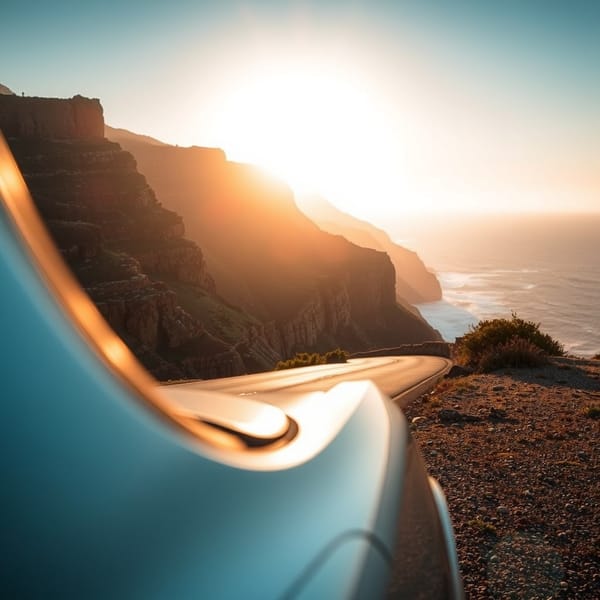
Plan one or two sensible stops instead of trying to cover every viewpoint. On a scenic route, use designated pull-offs and never stop on a blind rise. Keep a safe following distance from trucks, watch for livestock and expect pedestrians near villages. South African weather can change quickly, so reduce speed in heavy rain and avoid flooded roads.
Inside the reserve, drive slowly enough to spot hazards and wildlife. Dust reduces visibility, while animals can move across the road without warning. A quiet car also gives you a better chance of hearing and seeing birds. Switch off the engine at viewpoints where permitted, but do not play loud music or disturb other visitors.
Take photographs without turning the visit into a performance. Do not block a road for a picture, climb on sensitive vegetation or use a drone without explicit permission. Conservation depends on visitors leaving the landscape as they found it.
Before you go: a practical checklist
- Choose a reserve that matches your available time and vehicle.
- Check opening hours, entry fees, activity rules and weather.
- Confirm whether the final roads are tarred, gravel or 4x4-only.
- Book accommodation or activities through the official channel where required.
- Plan fuel stops and download the route for offline use.
- Inspect tyres, fluids, lights, spare wheel and recovery equipment.
- Pack water, food, sun protection, layers and a basic first-aid kit.
- Share your itinerary if hiking or travelling to an isolated area.
- Save emergency contacts and the reserve’s gate or reception number.
- Leave before gate closing time and take all rubbish with you.
The best Nature Reserves visit is not necessarily the longest or most expensive one. It is the outing where the route suits the car, the schedule leaves room for delays and everyone returns with energy rather than stress. South Africa has enough varied landscapes to make a nearby reserve feel different each season, so start with a realistic plan and build from there.
FAQ
What should I take to a nature reserve in South Africa?
Take water, food, sun protection, closed shoes, weather layers, medication, a charged phone, an offline map and basic vehicle and first-aid supplies. Add binoculars if you are interested in birds.
Can I drive any car in a nature reserve?
Most public visitor roads are suitable for ordinary cars, but conditions vary. Check the reserve’s official guidance before travelling, especially after rain or if the route includes gravel, sand, steep sections or 4x4-only tracks.
What safety rules matter most in Nature Reserves?
Stay on marked routes, obey speed limits and gate times, never feed or approach wildlife, remain in your vehicle where required and tell someone your plans before hiking. Treat every reserve’s rules as specific to that site.