Parkrun: A Better Saturday Outdoors
A practical South African guide to Parkrun: registration, what to pack, route safety and making the most of your Saturday morning.
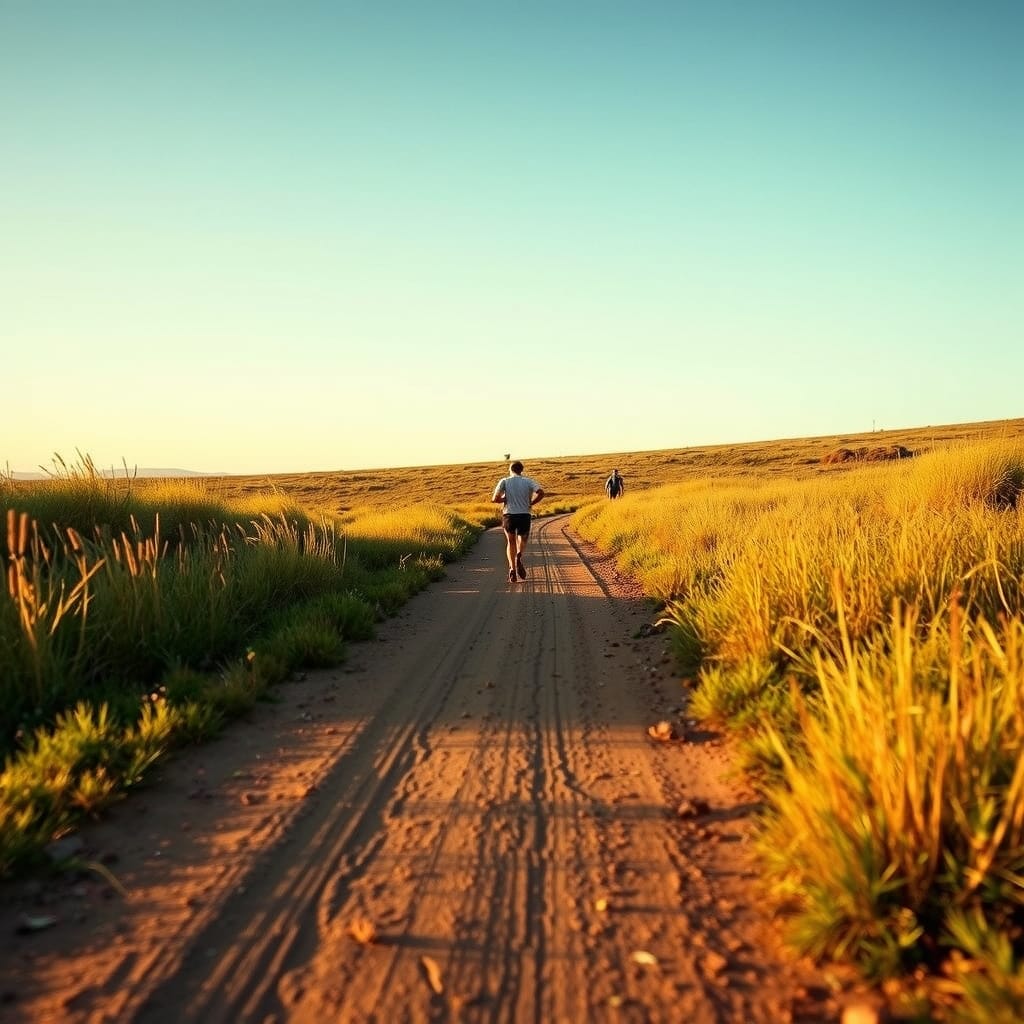
Saturday mornings do not need to start with traffic, shopping centres or another hour on the couch. Parkrun offers a simple way to get outside, move your body and meet people without turning exercise into an expensive commitment. For South Africans balancing petrol price increases, busy work weeks and the occasional load-shedding headache, a free 5 km community event is a practical weekend habit.
Parkrun is not only for fast runners. You can walk, jog, run, volunteer or spectate, and you do not need specialist kit or a gym membership. From Johannesburg parks to coastal routes in Durban and Cape Town, the format is familiar while the scenery and terrain change from venue to venue.
What Parkrun is and how it works
Parkrun is a free, weekly 5 km event held every Saturday morning. In South Africa, the official event directory lists locations around the country, with each venue publishing its own start time, course description and practical information.
You register once for Parkrun, even if you plan to visit different events. After registering, save or print your personal barcode. Bring a scannable copy when you attend if you want your finish recorded. There is no entry fee, although events depend on volunteers and the support of host venues.
Start with the official Parkrun South Africa website to find a nearby event, read the course notes and confirm the latest start time. Some venues adjust their time seasonally, so do not rely on an old social-media post or a message forwarded in a family WhatsApp group.
Choosing a Parkrun near Johannesburg
Johannesburg and Gauteng offer plenty of options, but the closest venue is not automatically the best first choice. Look at the route, parking, terrain and expected crowd before leaving home.
Compare the basics
- Flat park route: A good starting point if you are returning to exercise or prefer steady walking.
- Hilly course: Useful for building strength, but allow more time than the 5 km distance suggests.
- Trail or uneven sections: Wear shoes with suitable grip and take extra care after rain.
- Busy city venue: Convenient and social, but arrive earlier if parking and queues are likely.
- Quieter suburban venue: Often calmer for beginners, families and participants who prefer a less crowded start.
Read the venue page before travelling. The published course information can flag narrow paths, hills, crossings, toilets, parking arrangements and whether dogs or buggies are permitted. A quick check can prevent a stressful arrival, particularly when roads are busy or a nearby event affects traffic.
What to pack for a Saturday morning
You do not need to overprepare, but South African conditions can change quickly. Summer thunderstorms, winter’s cold Highveld mornings and strong coastal sun all deserve attention.
- Comfortable running or walking shoes suited to the surface.
- Light clothing that can handle changing temperatures.
- A hat, sunscreen and sunglasses for sunny conditions.
- Water, especially in hot weather or if you are not used to 5 km.
- Your scannable Parkrun barcode on your phone or printed out.
- A small towel or spare shirt if you plan to continue with errands afterwards.
- A charged phone, particularly if you are travelling alone or meeting someone at the venue.
Avoid carrying valuables in a loose pocket. Use a zipped pocket, leave unnecessary items at home and check the venue’s guidance about bags. If you drive, lock the car, keep belongings out of sight and use the designated parking area where available.
How to complete your first Parkrun safely
The event is 5 km, but your first attempt does not need to be a race. Start at a pace that allows you to speak in short sentences. Walking the full route is completely valid, and alternating between walking and jogging can make the distance manageable.
A simple first-timer plan
- Register online and save your barcode.
- Check the venue page and confirm the start time on Friday.
- Arrive early enough to park, use the facilities and attend the first-timer briefing.
- Stand in a position that matches your pace rather than crowding the front.
- Keep left when practical and pass only when there is enough space.
- Follow marshals’ instructions at crossings, turns and narrow sections.
- Slow down or stop if you feel dizzy, unusually short of breath or unwell.
- Thank the volunteers and scan your barcode after finishing.
Road crossings need particular care. A Parkrun route may use public paths or roads, and participants must obey marshals, traffic signals and other road users. A robot, cyclist, dog, buggy or uneven surface can change the situation quickly. Do not wear headphones so loudly that you cannot hear instructions.
If you have a medical condition, are returning after an injury or have not exercised for a long time, choose a conservative pace and seek appropriate medical advice before starting a new training routine. Parkrun is community activity, not a substitute for individual medical guidance.
Making Parkrun part of your outdoor routine
The real value is consistency. Treat the 5 km as a weekly anchor, then build the rest of your activity around it. A relaxed Saturday walk can become a useful way to improve general fitness without committing to a formal race programme.
Try one of these approaches:
- Beginner: Walk the route, focus on comfort and recover properly.
- Returning participant: Use short jog-and-walk intervals and increase jogging gradually.
- Regular runner: Keep one week easy, then use another week to practise a controlled pace.
- Family group: Agree on a meeting point and pace before the start, then let everyone finish comfortably.
- Community-minded participant: Volunteer occasionally to learn how the event operates and support the people who make it possible.
Keep your own record of how you felt, the weather and the route conditions rather than obsessing over every second. Heat, hills, altitude and congestion affect performance. Johannesburg’s altitude alone can make an easy effort feel different from a coastal run.
Before you go: a practical checklist
- Find the venue on the official event directory.
- Read the course description and local parking information.
- Confirm the start time, including any seasonal change.
- Register once and save a scannable barcode.
- Check the weather and dress for the conditions.
- Wear suitable shoes and apply sunscreen.
- Carry water when the day is hot or the route is exposed.
- Arrive early for the briefing and avoid blocking access roads.
- Follow marshals, respect other participants and share the route.
- Have a sensible plan for getting home if storms, fatigue or a minor injury changes your morning.
Once you know the basics, Parkrun becomes an easy way to explore different parts of South Africa without a large budget. You can make it a quiet walk, a social outing, a training session or a volunteering morning. The important part is turning up prepared and treating the event, the venue and the people around you with respect.
FAQ
Is Parkrun free in South Africa?
Yes. Parkrun is free to attend, although registration is required before your first event if you want to take part and have your finish recorded. Check the official South African website for current venue information.
Do I have to run 5 km at Parkrun?
No. You can walk, jog, run, volunteer or spectate. Choose a pace that suits your fitness and follow the venue’s guidance on the course.
What happens if I forget my Parkrun barcode?
You may still be able to complete the route, but the finish may not be recorded. Bring a printed or phone-based scannable barcode and check the event’s instructions before travelling.