Road Trips: A Smarter South African Guide
Plan safer, better-value Road Trips with practical car checks, route ideas, packing advice and local stops for South African drivers.
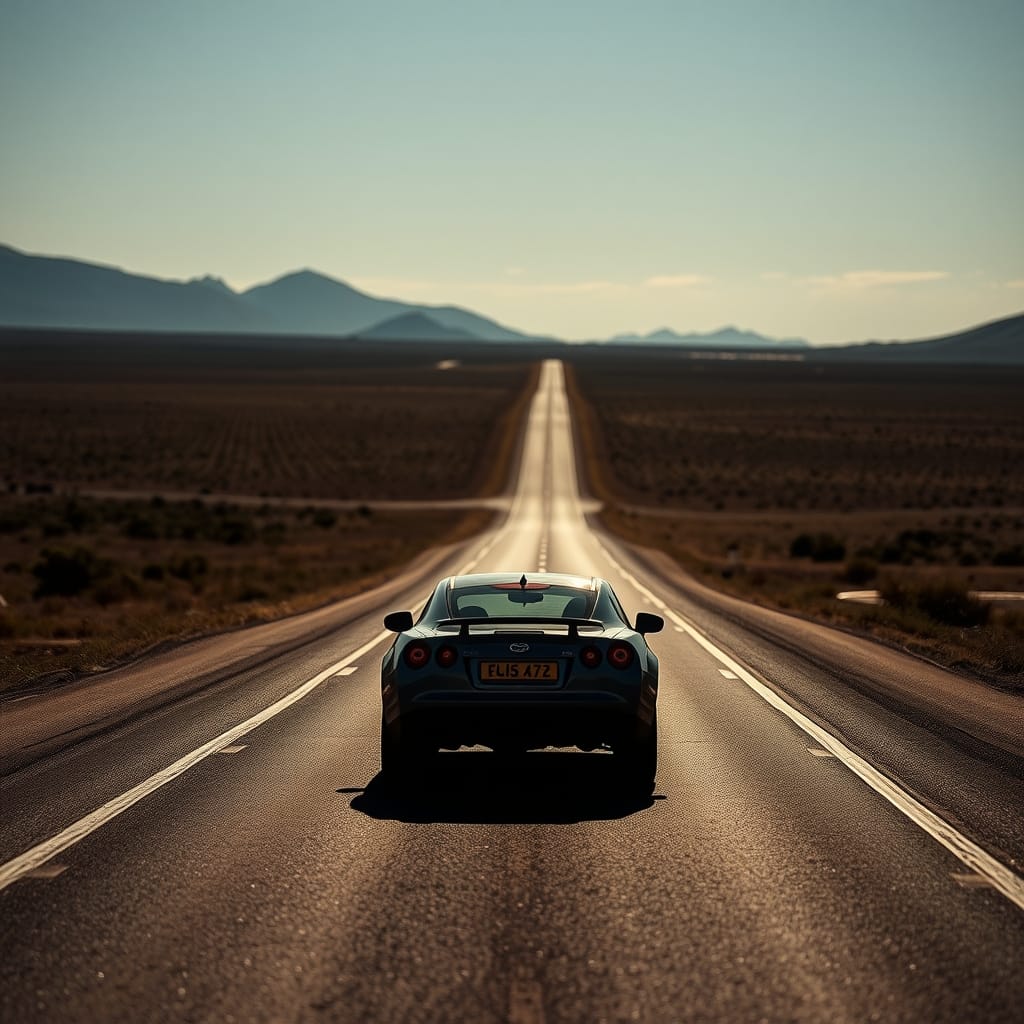
South African Road Trips are a proper way to escape Johannesburg, but rising fuel costs, December traffic, unpredictable weather and long distances make poor planning expensive. The right preparation helps you enjoy the drive, protect your car and arrive with enough energy to explore. Whether you are taking a Golf GTI through the Free State, a bakkie towards the Drakensberg or a family hatchback to the coast, the basics remain the same: choose a sensible route, check the vehicle and leave room for rest stops.
A good Road Trips plan is not about covering the most kilometres in the shortest time. It is about making the journey manageable, keeping everyone safe and allowing time for the places, food and scenery that make South Africa worth driving through.
How to plan Road Trips from Johannesburg
Start by deciding what the trip must deliver. A weekend in Clarens needs a different plan from a week in the Kruger National Park or a coastal drive to Durban. Pick a realistic daily distance, then identify fuel stations, rest areas, accommodation and likely traffic points before you leave.
School holidays and long weekends bring heavier traffic on major routes, particularly the N1, N3 and N4. Build in extra time rather than trying to recover lost minutes through speed. Check road conditions and closures close to departure, and save an alternative route offline in case mobile coverage or traffic causes problems.
For national parks, confirm gate times, booking requirements and current tariffs through the official SANParks website. A late arrival can be more than inconvenient when park gates operate on fixed hours.
Three useful route styles
- Quick escape: Choose a destination within a few hours of home, such as the Magaliesberg, Hartbeespoort or Clarens, and keep the itinerary flexible.
- Scenic loop: Combine two or three towns rather than returning along the same road. This works well for the Panorama Route, the Midlands or the Garden Route.
- Destination drive: Use a longer route to reach a specific park, event or coastline, with a planned overnight stop instead of one exhausting day.
Prepare the car before the kilometres begin
A clean bill of health matters more than a shiny detail. Arrange a service or inspection if one is due, especially before a long trip in an older or modified car. Performance tyres, lowered suspension and aftermarket exhausts can be enjoyable, but they do not remove the need for sensible checks.
- Check tyre pressure against the vehicle manufacturer's recommendation, including the spare.
- Inspect tread, sidewalls, valve caps and visible damage.
- Test headlights, brake lights, indicators, hazards and windscreen washers.
- Check engine oil, coolant and screen-wash levels.
- Confirm that the jack, wheel spanner and locking-wheel-nut key are present.
- Make sure the battery starts the car confidently and that the registration and licence details are current.
- Remove unnecessary weight and secure luggage so it cannot move or block rear visibility.
The AA advises checking tyres, fluids, lights and load limits before a road trip. Its guidance also recommends planning the route, keeping an alternative available and taking regular breaks. Read its practical road-safety advice at AA South Africa.
Budget for fuel, tolls and the stops between
The fuel calculation is simple, but the total trip cost is not. Estimate the distance, divide it by your car's real-world fuel consumption and multiply the result by the current petrol or diesel price. Check the latest pump price before departure because fuel costs change.
Then add tolls, accommodation, meals, park entry, activities and a contingency for an unplanned overnight stay. A small hatchback may use less fuel, while a loaded SUV or bakkie offers more space but usually costs more to run. A GTI can be efficient when driven steadily, but enthusiastic acceleration will increase consumption.
A practical trip budget
- Fuel: Calculate the full return distance, not just the outward journey.
- Tolls: Confirm the route and payment options before leaving; do not assume every toll point accepts the same method.
- Food: Budget for one proper meal and one lighter stop per travel day.
- Accommodation: Include parking, breakfast and any peak-period surcharge.
- Reserve: Keep money available for a puncture, detour, extra fuel or emergency accommodation.
Carrying a cooler box with water and basic snacks can reduce unnecessary stops, but avoid leaving food or valuables visible when the vehicle is parked. Choose busy, well-used stopping points and lock the car before walking away.
Drive safely through South African conditions
Fatigue is one of the easiest risks to underestimate. Change drivers where possible and stop roughly every two hours or whenever concentration drops. Get out, stretch, drink water and continue only when you feel alert. Coffee may help temporarily, but it is not a replacement for sleep.
Keep a safe following distance and adjust speed for rain, mist, dust, potholes, animals and roadworks. The posted limit is not a target when conditions are poor. On mountain passes, descend in a suitable gear rather than riding the brakes, and never overtake where markings or visibility prohibit it.
If you have a breakdown, move as far from traffic as possible, switch on hazard lights and call roadside assistance. Keep passengers away from the roadway. At night or on an isolated shoulder, remaining inside the locked vehicle with the seatbelt fastened may be safer until help arrives, provided the vehicle is not in immediate danger.
Load-shedding can affect fuel stations, card machines and traffic signals. Fill up before the tank becomes low, carry a charged phone and keep some water available. A physical map or downloaded route is useful when the network disappears.
What to pack for a comfortable road trip
Good packing is compact, practical and easy to reach without unpacking the boot at the roadside.
- Driver and passenger identification, licences, booking confirmations and emergency contacts.
- Chargers, a power bank and a phone mount positioned without blocking your view.
- Water, snacks, sunscreen, hats and a small first-aid kit.
- Warm layers and rain jackets, even for a summer trip.
- Torches, reflective items, gloves and basic tyre-inflation equipment.
- Bin bags, wet wipes and a reusable cooler box.
- Child restraints or booster seats suited to the child's size.
- Binoculars, walking shoes and a camera for outdoor destinations.
Do not overload the vehicle. A heavy boot affects braking, handling and fuel consumption, while loose objects become dangerous in a sudden stop. Pack the heaviest items low and close to the rear seatback, and keep the spare wheel accessible.
Choose stops that make the journey worthwhile
South Africa offers more than fuel stations and fast-food queues. Plan one meaningful stop each day: a farm stall, viewpoint, short walk, museum, market or properly timed meal. That break gives the driver recovery time and turns a transfer into part of the holiday.
Nature-based trips need extra care. Stay on marked paths, check weather conditions, carry enough water and tell someone your route when hiking away from the car. In parks, obey speed limits, remain in the vehicle where required and never feed wildlife. Check official park notices before setting off because conditions and access can change.
For a Johannesburg starting point, the Magaliesberg is suitable for a shorter reset, while Clarens offers a longer weekend with mountain scenery and restaurants. The Panorama Route, KwaZulu-Natal Midlands and Karoo provide stronger options for multi-day drives. Select one area rather than attempting to see an entire province in a single weekend.
Before you go: the final checklist
- Check the weather, traffic, roadworks and closures.
- Confirm accommodation, park entry and activity bookings.
- Fill the tank and calculate fuel, toll and reserve costs.
- Inspect tyres, fluids, lights, wipers and the spare wheel.
- Download maps and save important telephone numbers.
- Pack water, medication, warm clothing and emergency equipment.
- Tell a trusted person your route and expected arrival time.
- Sleep properly before departure and leave early enough to avoid rushed driving.
Keep the plan flexible once you are moving. If traffic, weather or fatigue changes the day, shorten the route and stop safely. The best Road Trips leave you with enough energy to enjoy the destination, not just a story about how quickly you got there.
FAQ
What is the best car for Road Trips in South Africa?
The best car is one that is roadworthy, comfortable, economical enough for your budget and suited to the route. A small hatchback works well for paved roads and two travellers, while an SUV or bakkie offers more space for passengers and outdoor equipment. Vehicle condition matters more than badge or body style.
How often should you stop on a long road trip?
Plan a break about every two hours, and stop sooner if you feel tired, distracted or uncomfortable. Stretch your legs, drink water and change drivers when possible. Do not continue simply because the next town or fuel station is close.
What should I check before a South African road trip?
Check tyre pressure and tread, the spare wheel, engine oil, coolant, lights, wipers, brakes, battery and vehicle documents. Also confirm the route, weather, fuel availability, accommodation and emergency contacts before leaving.