Scenic Drives: South Africa’s Best Road Escapes
Plan safer, more enjoyable Scenic Drives across South Africa with practical routes, car checks, costs and packing advice.
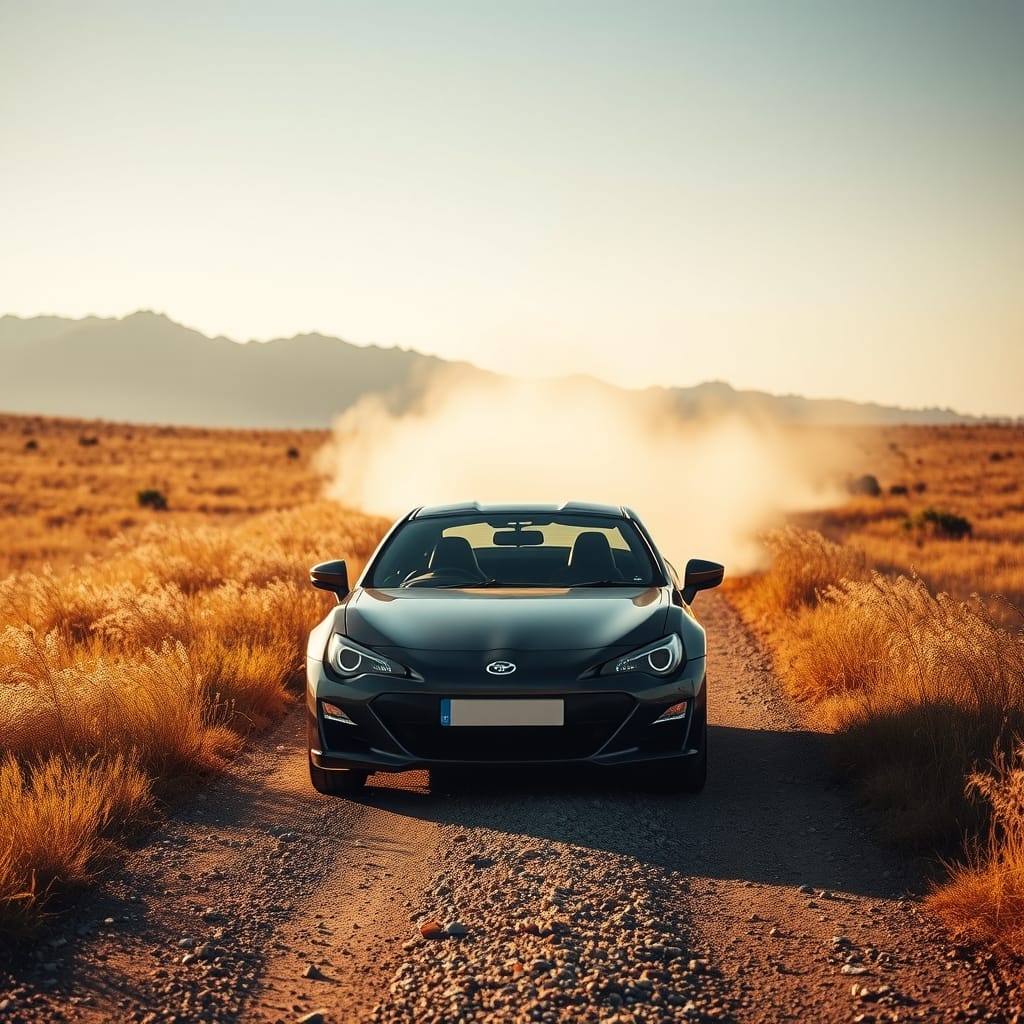
South Africa is made for Scenic Drives, but a good day on the road takes more than a full tank and a playlist. Rising fuel costs, summer thunderstorms, holiday traffic and long distances can turn a relaxed outing into an expensive headache if you leave without a plan. The answer is not always travelling further. Often, the best drive is a well-chosen loop with interesting roads, reliable fuel stops and enough time to stop safely.
Whether you are taking a Golf GTI through the hills, loading the family into a bakkie or looking for a quiet Sunday escape from Johannesburg, the right route should suit your car, your passengers and the season.
What makes Scenic Drives worth the fuel?
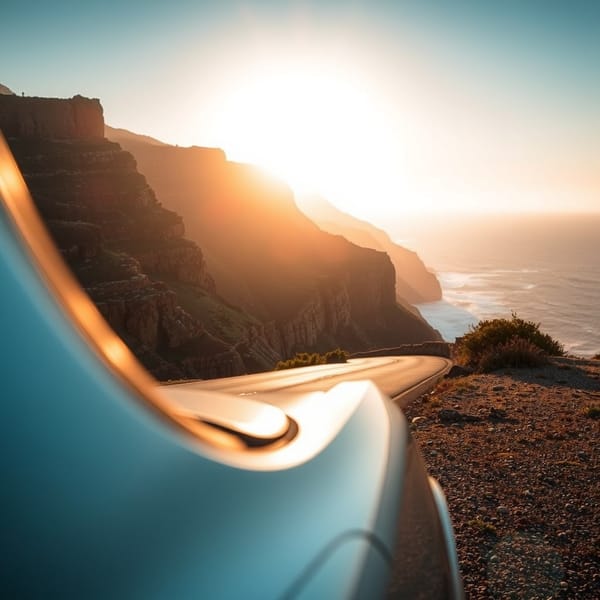
A scenic route is not simply the fastest way between two towns. It combines changing landscapes, enjoyable driving, safe stopping points and a reason to slow down. Around Gauteng, that might mean Magaliesberg views, Hartbeespoort Dam, the Cradle of Humankind or the winding roads towards the Vaal.
Further afield, the possibilities include the Panorama Route in Mpumalanga, the Midlands Meander in KwaZulu-Natal, the Cape’s Clarence Drive and the Garden Route. Each offers a different balance of bends, viewpoints, food stops and walking opportunities.
Choose a route by asking three practical questions:
- How many hours can you spend driving without rushing?
- Can your vehicle handle the road surface, clearance and weather conditions?
- Are fuel, toilets, food and mobile reception available along the way?
Easy route ideas from Johannesburg
Magaliesberg and Hartbeespoort
This is a convenient choice when you want mountain scenery without committing to a full weekend away. Plan a loop through the Magaliesberg area, allowing time for viewpoints, a sit-down meal or a short walk. Check traffic before leaving, particularly on weekends and public holidays, when Hartbeespoort can become congested.
Keep the drive relaxed. Blind corners, cyclists, pedestrians and animals require more attention than a quick run on the open road. A GTI may be entertaining on a smooth bend, but public roads are not a racetrack.
Cradle of Humankind
The Cradle offers an easy combination of open-country roads, heritage attractions and restaurants. It works well for a half-day outing, especially if your group prefers several short stops to one long drive. Book popular attractions where required and confirm operating hours before setting off.
Mpumalanga’s Panorama Route
The Panorama Route needs more planning because distances between Johannesburg and the main viewpoints make it better suited to an overnight stay. Blyde River Canyon, God’s Window and Bourke’s Luck Potholes are well-known stops, but weather can change quickly in the escarpment.
Do not treat mountain roads as an opportunity to chase speed. Heavy rain, mist, potholes, trucks and pedestrians can appear with little warning. Avoid driving tired and allow extra time for daylight travel.
Plan the car before planning the camera stops
A scenic route exposes weaknesses that may not show during a short commute. The Automobile Association recommends checking tyres, lights, fluids, wipers, warning equipment and the spare wheel before a long journey. Its pre-trip inspection guidance is a useful reference for any vehicle, from a hatchback to a touring bakkie.
Use this quick checklist before departure:
- Check tyre pressures when the tyres are cold, including the spare.
- Inspect tread, sidewalls and wheel nuts.
- Test headlights, brake lights, indicators and hazards.
- Check engine oil, coolant and windscreen-washer fluid.
- Confirm that the brakes feel normal and no warning lights remain on.
- Make sure the jack, wheel-spanner and locking-wheel-nut key are present.
- Pack a reflective warning triangle and a charged phone.
- Confirm that the licence disc, insurance and roadside-assistance details are current.
For more detailed preparation, consult the AA’s pre-trip vehicle inspection guidance. If your car has a new vibration, overheating problem, soft brake pedal or damaged tyre, postpone the trip until it has been checked properly.
Build a realistic Scenic Drives budget
Fuel is only one part of the cost. A simple budget prevents a scenic outing from becoming an unpleasant surprise.
- Fuel: estimate the round-trip distance, divide by your car’s real-world consumption and multiply by the current petrol or diesel price.
- Tolls: check the latest tariff information for the route before departure.
- Food: allow for coffee, lunch and water rather than relying on a single venue being open.
- Entry fees: parks, museums and attractions may charge separately.
- Parking: carry a payment option that works where you are going, while avoiding visible valuables in the car.
- Contingency: keep room in the budget for a puncture, detour or overnight stop.
Do not plan fuel stops based only on the distance shown by your trip computer. Strong wind, traffic, steep climbs and spirited driving can increase consumption. If you are travelling through a remote area, refuel before the tank becomes low.
Road safety without spoiling the fun
Check road conditions on the morning of departure. SANParks directs travellers to road-condition resources, including the AA, SANRAL and relevant route operators, and its road-conditions page is useful when a route includes a national park or long rural section.
Keep these habits in place:
- Leave earlier rather than trying to make up time with speed.
- Use a navigation app before moving off, not while driving.
- Take a break at least every couple of hours, or sooner if you feel tired.
- Keep a safe following distance behind trucks and taxis.
- Use headlights in poor visibility and reduce speed in rain.
- Stop only in legal, visible areas and never take photographs from the traffic lane.
- Do not drive after drinking, even if the distance to your accommodation is short.
When entering a reserve, follow the speed limit and wildlife rules. Animals can cross without warning, and stopping beside a road may create danger for you and other visitors. On gravel roads, reduce speed early instead of braking hard on loose surfaces.
What to pack for a South African road escape
Pack for the destination, not just the forecast in Johannesburg. A warm morning can become a cold, wet afternoon in the mountains.
- Water and simple snacks
- Sunscreen, sunglasses and a hat
- A light rain jacket and warm layer
- Comfortable shoes for viewpoints or short walks
- Power bank and charging cable
- Basic first-aid supplies
- Binoculars for birding and wildlife viewing
- Cash or a backup payment method for smaller stops
- Refillable bottles and a rubbish bag
Keep luggage out of sight when the car is parked. Close windows, lock the vehicle and choose busy, clearly marked parking areas. If load-shedding affects a destination, card machines, fuel pumps or restaurants may be impacted, so a little flexibility remains valuable.
Before you go: turn the idea into a route
- Choose one primary destination and no more than two worthwhile stops.
- Check the weather, traffic, roadworks and route conditions.
- Calculate fuel, tolls, entry fees and a contingency amount in rands.
- Inspect the car the day before, not five minutes before departure.
- Share the route and expected return time with someone at home.
- Save the accommodation, attraction and roadside-assistance details offline.
- Leave enough daylight for the return journey.
The best Scenic Drives are not measured by how quickly you cover the distance. They are the ones where the car is prepared, the route suits the conditions and you still have enough energy to enjoy the view when you arrive.
FAQ
What are the best Scenic Drives near Johannesburg?
Magaliesberg, Hartbeespoort, the Cradle of Humankind and sections of the Vaal area offer accessible day-trip options. Confirm traffic, road conditions and attraction hours before leaving.
How do I prepare my car for a long scenic drive?
Check all tyres including the spare, lights, fluids, brakes, wipers, warning triangle and wheel-changing tools. Arrange a professional inspection if you notice a vibration, leak or warning light.
Are scenic mountain roads safe for a small car?
Many paved mountain routes are suitable for ordinary cars when conditions are dry and the vehicle is roadworthy. Check the specific route, avoid flooded or damaged sections, reduce speed in rain and never attempt roads requiring high clearance unless your vehicle is equipped for them.