Track Days: A South African Beginner’s Guide
Prepare your car, budget wisely and drive safely with this practical South African guide to Track Days at Kyalami and Zwartkops.
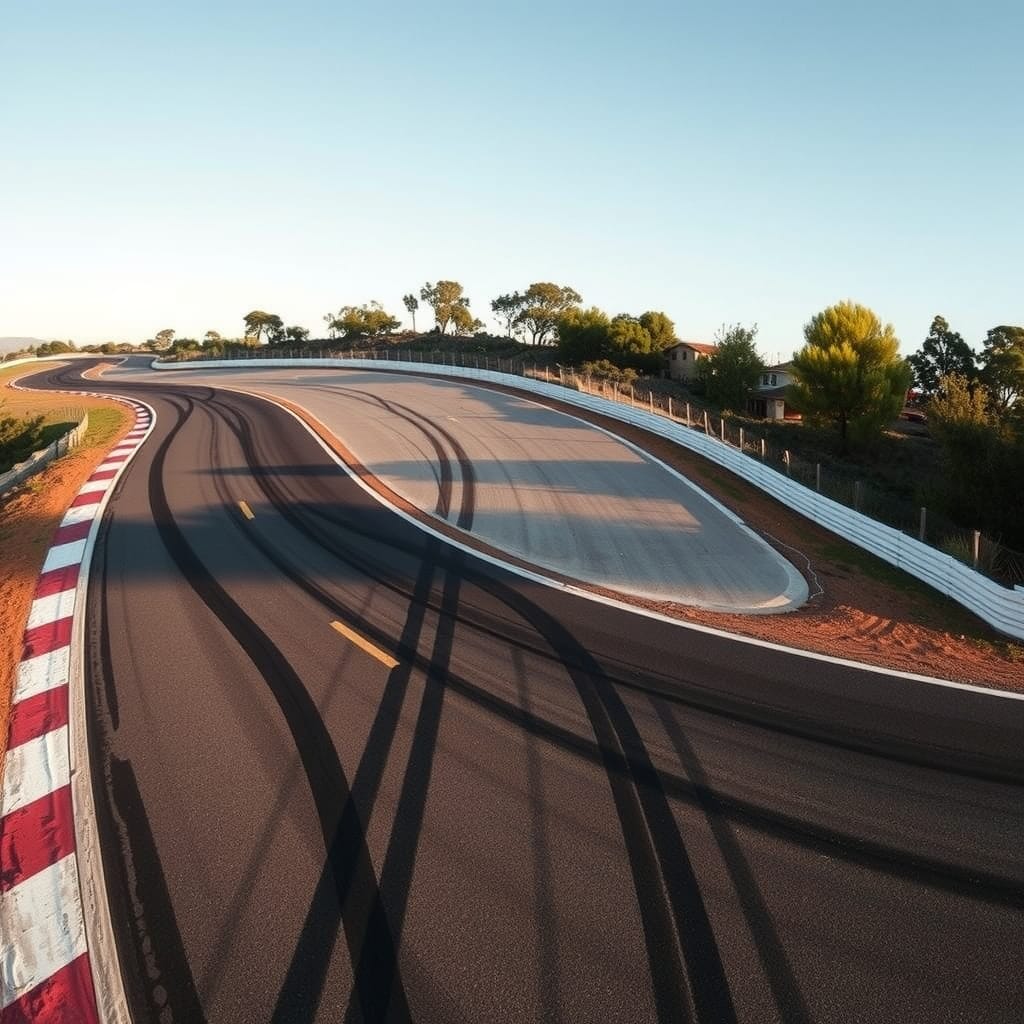
South African roads are not the place to discover how hard your brakes fade, how little grip your tyres have or how quickly a mistake becomes dangerous. Track Days give you a controlled way to learn your car, improve your driving and enjoy performance without treating a public road like a racetrack. For Johannesburg enthusiasts, venues such as Kyalami Grand Prix Circuit and Zwartkops Raceway make this an accessible weekend activity, whether you drive a Golf GTI, a hot hatch, a sports car or a carefully prepared bakkie.
The key is preparation. A Track Days outing is not simply a case of arriving, lining up and driving flat out. You need a mechanically sound car, realistic expectations, enough money for the day and a safety-first attitude.
What Track Days are really about
A track day is a non-competitive driving event held at a circuit. You normally drive in timed sessions, sharing the track with other cars in a controlled environment. Rules vary by organiser, so check the event information before paying. Some days group cars by experience or performance, while others provide open practice or passenger rides.
There is no prize for being the bravest driver in the first session. The useful goal is to build consistency. Learn the circuit, find your braking points, understand where the car feels stable and leave with your vehicle intact.
Kyalami is an FIA Grade 2 circuit with a 4.522 km layout, while Zwartkops Raceway publishes event and open-practice information through its official website. Check the current calendar, entry requirements and circuit rules directly with the venue or organiser before making travel plans.
Choosing a South African track-day venue
Johannesburg and Gauteng
For Gauteng drivers, Kyalami and Zwartkops are the obvious starting points. Kyalami’s substantial Grand Prix circuit offers elevation changes, fast sections and demanding corners. Zwartkops has its own event calendar and hosts different forms of motorsport and practice.
Always confirm whether the event is suitable for road cars. Some sessions may be intended for racing cars or motorcycles, and noise restrictions, helmet rules, passenger policies and vehicle requirements can differ.
Plan the full day, not just the laps
Johannesburg traffic can turn a short trip into a stressful one, particularly around peak periods or major events. Leave early, allow time for registration and bring enough fuel for the journey home. If load-shedding affects your normal preparation routine, do the checks the evening before rather than rushing on the morning.
Use the organiser’s instructions as your authority. A social-media post or group-chat message may be outdated, especially when weather, maintenance or circuit bookings change.
Preparing your car for Track Days
Your car does not need coilovers, racing slicks or a loud exhaust to attend a track day. It does need to be reliable. Circuit driving places greater heat and load on the engine, gearbox, brakes, suspension and tyres than ordinary commuting.
- Check engine oil, coolant and brake-fluid levels before leaving.
- Inspect the tyres for tread, cracks, bulges, uneven wear and damage.
- Confirm that wheel nuts are correctly tightened and that the battery is secure.
- Check brake-pad thickness and replace worn pads before the event.
- Look for fluid leaks under the car and around hoses, callipers and shock absorbers.
- Remove loose items from the cabin and boot, including tools, bottles and floor mats.
- Make sure the spare wheel and jack are secured if you are carrying them.
The Automobile Association warns that tyres are a critical safety feature and that under-inflation or over-inflation can be dangerous. Its guidance also highlights the importance of checking alignment, balancing and visible tyre damage. Ask a reputable tyre specialist for advice if you are unsure, and use the manufacturer’s road-pressure information as your starting point.
Do not guess about track pressures. Tyre pressure changes as the tyre heats up, and the correct setting depends on the tyre, car and conditions. Ask the organiser, a qualified technician or an experienced instructor for guidance, then measure pressures regularly during the day.
What to budget for a track day
Entry fees vary according to the venue, organiser, format and length of the event. Treat the ticket as only one part of the budget. A realistic checklist includes:
- Event entry and any booking or transponder fee.
- Fuel for the trip, queuing and circuit sessions.
- Brake pads, brake fluid and possible tyre wear.
- Accommodation if the circuit is outside your area.
- Food, water and a cooler for the paddock.
- Recovery or roadside-assistance cover if your policy allows it.
- Unexpected repairs, because hard use can expose an existing weakness.
Do not fit expensive performance parts before establishing what the car actually needs. Fresh fluid, healthy brakes, good tyres and an alignment often provide a better foundation than cosmetic modifications. Remember that most road-car insurance policies do not automatically cover circuit use. Read your policy and ask the insurer directly before attending.
How to drive safely on circuit
Attend the briefing and learn the flags before your first session. Follow the organiser’s overtaking rules, keep predictable lines and check mirrors regularly. If you are slower than another car, do not react with sudden braking or swerving. Stay calm and follow the designated passing procedure.
Build speed gradually. Use the first session to learn the circuit rather than chasing a lap time. Brake in a straight line until you understand the corner, turn smoothly and accelerate only when the car is settled. If the steering becomes vague, the brake pedal feels soft or a warning light appears, return to the pits immediately.
Heat management matters in Gauteng’s summer conditions. Take a cooling lap after a hard session, allow the engine to idle only if the manufacturer recommends it and do not apply the handbrake immediately after heavy braking if the brakes are extremely hot. Park safely, open the bonnet if appropriate and inspect the car before going out again.
What to pack and what to check
A small paddock kit makes the day less chaotic:
- Helmet that meets the organiser’s required standard.
- Closed shoes, comfortable clothing and sun protection.
- Water, food and a cooler.
- Tyre-pressure gauge, pump and basic tools.
- Phone charger, event confirmation and emergency contacts.
- Microfibre cloths, gloves and a rubbish bag.
- Spare engine oil and coolant suitable for your vehicle.
- Driving licence, vehicle documents and insurance details.
Pack a red warning triangle and confirm that your roadside-assistance details are current. If you drive to the circuit on public roads afterwards, the car must remain road legal and roadworthy. A track day is not an excuse to ignore lights, number plates, tyres or other legal requirements.
For official venue information, check the Kyalami Grand Prix Circuit and Zwartkops Raceway events websites. For tyre-safety guidance, the Automobile Association of South Africa is a useful reference.
Before you go: practical next steps
- Choose a reputable organiser and read the full event rules.
- Book only after confirming the date, venue, vehicle requirements and cancellation policy.
- Book a workshop inspection if the car has unknown service history or any warning signs.
- Replace worn brakes or damaged tyres before the event, not at the circuit.
- Check your insurance and roadside-assistance terms for circuit exclusions.
- Arrive early for registration, scrutineering and the driver briefing.
- Set a conservative first-session target: learn the track, preserve the car and improve smoothly.
Track Days are at their best when you return home with better technique, useful notes and a car ready for the next drive. Respect the circuit, the other drivers and the limits of your vehicle, and the experience becomes far more rewarding than simply chasing one quick lap.
FAQ
Can a standard Golf GTI attend a track day?
Usually, a standard road car can attend an event that accepts road vehicles, provided it meets the organiser’s safety requirements. Check the specific rules, inspect the car carefully and pay particular attention to tyres, brakes and fluid leaks.
Do I need racing experience for Track Days?
No. Beginner-friendly events commonly provide briefings and structured sessions, but you must follow the organiser’s instructions. Drive at a pace that allows you to remain predictable and in control.
Are Track Days covered by normal car insurance?
Not necessarily. Many standard policies exclude racing, speed testing or circuit use. Read the policy wording and obtain written clarification from your insurer before attending.