Travel Tips for Safer South African Road Trips
Practical Travel Tips for planning safer, better-value South African road trips, from car checks and packing to routes, stops and outdoor adventures.
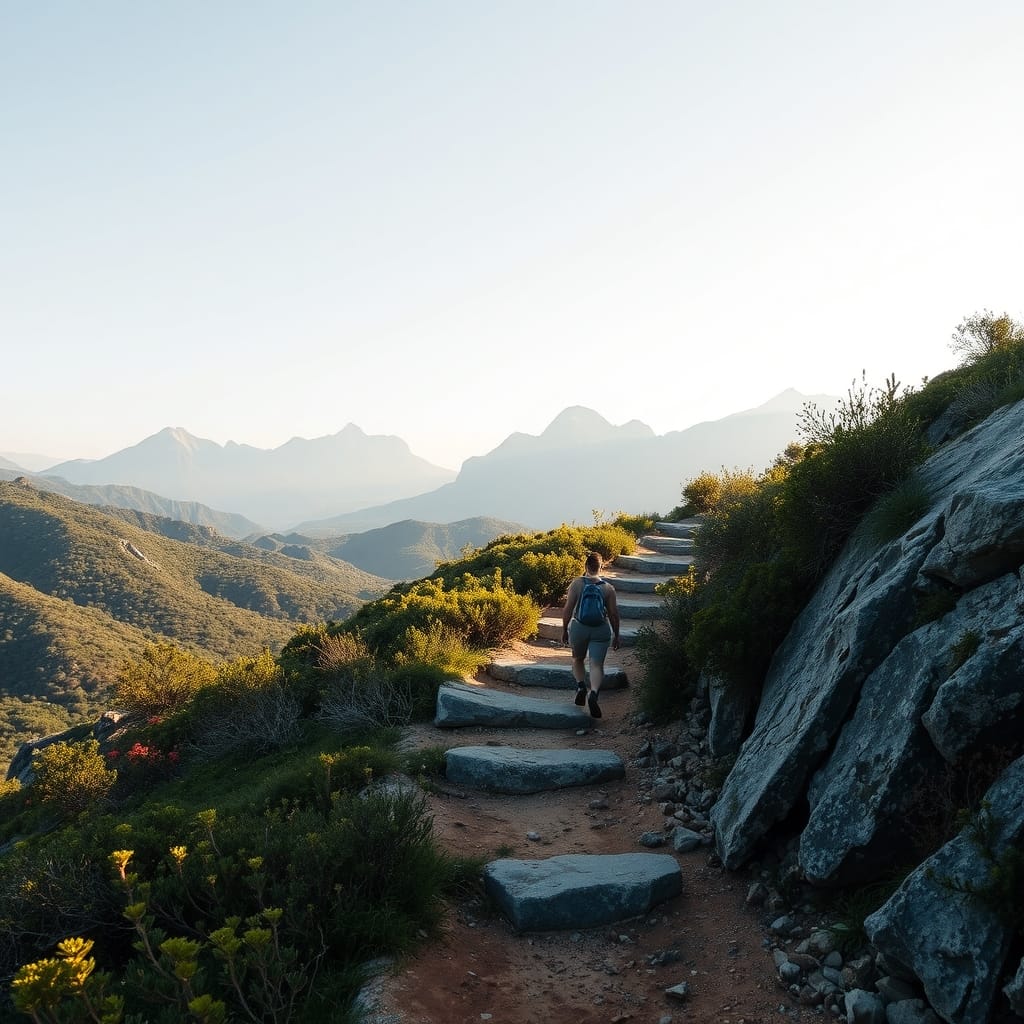
South African road trips can turn expensive and stressful quickly when petrol, tolls, December traffic and an unreliable car all arrive in the same plan. These Travel Tips help you prepare properly, whether you are leaving Johannesburg for the Drakensberg, heading to Kruger, visiting the coast or taking a weekend drive in the Vaal. The goal is simple: spend less time solving avoidable problems and more time enjoying the road.
Travel Tips for planning the trip
Start with the route, not just the destination. A direct-looking drive can include tolls, roadworks, mountain passes, long stretches without fuel and mobile coverage gaps. Use a current navigation app, then download offline maps before leaving home. Keep a second route in mind in case a crash, protest, flood or road closure changes your plans.
South Africa follows left-hand traffic, and traffic lights are commonly called robots. If a robot is not working, slow down and treat the intersection as a four-way stop. The Department of Tourism also advises caution around potholes, pedestrians, livestock and poorly lit roads. South Africa’s Department of Tourism travel guidance is a useful reference before you leave.
Build a realistic road-trip budget
- Fuel: estimate the distance, your car’s real-world consumption and a buffer for detours.
- Tolls: check the current route charges before departure and keep a payment method that works at toll plazas.
- Accommodation: confirm check-in times, secure parking and cancellation terms.
- Food and drinks: budget for proper stops rather than relying on expensive last-minute purchases.
- Activities: include conservation fees, parking, permits and guided excursions.
- Emergency money: keep a reserve for a puncture, tow, replacement battery or unexpected overnight stay.
Petrol prices and toll charges change, so verify the current figures shortly before travelling. A spreadsheet or notes app with the full cost estimate is more useful than guessing from the fuel gauge.
Prepare the car before the departure
A clean car is pleasant; a mechanically prepared car is safer. Book a proper inspection before a long trip, especially if the vehicle is modified, heavily loaded or due for a service. GTI owners should pay particular attention to tyres, cooling, oil level and warning lights, but the same principle applies to any hatchback, sedan, bakkie or SUV.
Pre-trip vehicle checklist
- Check tyre pressures when the tyres are cold, including the spare.
- Inspect tread, sidewalls, valve caps and signs of uneven wear.
- Test the brakes, lights, indicators, wipers and demister.
- Check engine oil, coolant and windscreen-washer fluid.
- Confirm that the jack, wheel spanner, warning triangle and locking-wheel-nut key are present.
- Charge the phone and pack a working car charger or power bank.
- Secure luggage so it cannot move forward during hard braking.
- Check that every passenger has a seat belt and that children use the correct restraint.
The Automobile Association recommends a roadworthy vehicle, regular breaks, safe following distances and an alternative route for unfamiliar roads. Its South African road-safety guidance also recommends stopping regularly and staying hydrated.
Travel Tips for safer driving in South Africa
Leave early enough to drive without rushing. Fatigue, impatience and aggressive overtaking make a scenic trip dangerous. Take a break roughly every two hours or whenever concentration drops. Swap drivers only if the replacement driver is rested, licensed and comfortable with the vehicle.
Avoid unnecessary night driving outside well-lit urban areas. Animals, pedestrians, broken-down vehicles, potholes and poor visibility all reduce your reaction time. If you must continue after dark, reduce speed, keep the windows up and doors locked when stopped, and avoid using your phone while driving.
Never drink and drive. Plan a sober driver, use accommodation within walking distance or arrange a reliable ride. If the car breaks down, pull as far from traffic as possible, switch on the hazard lights and call roadside assistance. In an emergency, South Africa’s commonly used numbers include 10111 for police and 10177 for an ambulance.
When travelling through a game reserve
- Obey the reserve’s speed limit and gate times.
- Stay inside the vehicle unless an official area allows you to get out.
- Keep a safe distance from animals and never block their movement.
- Do not feed wildlife or leave food accessible.
- Carry water, a charged phone and the contact number for the nearest camp or gate.
Reserve rules protect both visitors and wildlife. Read them before entering, particularly when travelling with children or driving a low car on gravel roads.
Pack for the destination, not the fantasy
South African weather can change sharply between Johannesburg, the Lowveld, the coast and the mountains. Pack layers rather than one bulky outfit. A warm morning in Gauteng does not guarantee a comfortable evening in the Free State, and summer thunderstorms can arrive with little warning.
- Identification, booking confirmations and copies of important documents.
- Prescription medication, sunscreen, insect repellent and basic first aid.
- Water bottles and non-perishable snacks.
- Light rainwear, a warm layer and comfortable walking shoes.
- Hat, sunglasses and a torch or headlamp.
- Binoculars for wildlife and birding trips.
- Bin bags for keeping the car and outdoor areas clean.
- Offline maps, a power bank and a small emergency kit.
Keep valuables out of sight and avoid displaying cameras, wallets or laptops when stopping. The Department of Tourism advises travellers to protect personal possessions and carry copies of identification while keeping original documents secure.
Make the route part of the experience
Do not plan every kilometre around reaching the final destination. Choose one or two worthwhile stops, then leave enough time for fuel, meals and unexpected delays. A Johannesburg departure towards the Drakensberg might include a proper rest stop in the Free State; a Kruger journey needs careful attention to gate times and fuel; a Garden Route drive rewards shorter daily distances because weather and viewpoints can slow you down.
For outdoor trips, check the official park or reserve website for permits, opening hours, weather notices and road conditions. On hikes, tell someone your route and expected return time. Stay on marked paths, carry enough water and turn around before conditions become unsafe. Mountain weather is not a test of toughness.
Food is part of a good journey, but avoid driving while tired simply to reach a famous restaurant. Pack a cooler for water and simple snacks, then choose clean, busy stops with safe parking. Leave room in the plan for a proper meal without making the driver rush.
Before you go: the final checklist
- Confirm the route, road conditions, tolls, accommodation and opening times.
- Fill the tank and save offline maps.
- Inspect tyres, fluids, lights, brakes and the spare wheel.
- Share your itinerary and emergency contact details with someone at home.
- Pack documents, medication, water, snacks, warm clothing and a first-aid kit.
- Check the weather and adjust outdoor plans if storms, heat or flooding are expected.
- Leave rested, keep your phone out of reach and stop before fatigue becomes dangerous.
Good Travel Tips are not about removing spontaneity. They give you enough preparation to handle the ordinary problems—traffic, a flat tyre, a closed road or a sudden storm—without allowing them to take over the trip.
FAQ
What should I check on my car before a road trip?
Check tyre pressure and tread, the spare wheel, oil, coolant, brakes, lights, wipers, battery, warning triangle and emergency equipment. Make sure all passengers have functioning seat belts.
Is it safe to drive at night in South Africa?
Night driving requires extra caution, particularly outside towns. Where possible, travel during daylight because visibility is reduced and hazards such as pedestrians, animals, potholes and broken-down vehicles are harder to see.
What should I pack for a South African road trip?
Pack identification, medication, water, snacks, sunscreen, insect repellent, a first-aid kit, a torch, warm and rainproof layers, offline maps and a charged power bank.