Western Cape: A Practical Outdoor Road-Trip Guide
Plan a safer Western Cape outdoor escape with practical route, vehicle, permit and packing advice for hikes, beaches and nature reserves.
The Western Cape gives you an unusual mix of mountain roads, ocean views, fynbos, forest trails and proper weekend escapes. That variety also creates real planning problems: December traffic, sudden weather changes, limited mobile reception and the wrong vehicle can turn a relaxed outing into an expensive day. This practical Western Cape guide helps you choose a route, prepare your car and enjoy the outdoors without treating safety as an afterthought.
Why the Western Cape rewards careful planning
A short drive can cross several environments. Cape Town’s Atlantic Seaboard, the Cape Peninsula, the Winelands, the Overberg and the Garden Route all have different road conditions and weather patterns. A clear morning in the city does not guarantee calm conditions on a mountain or at the coast.
Table Mountain National Park stretches from Signal Hill and Table Mountain to Cape Point, covering roughly 70 kilometres of the peninsula and including beaches and a Marine Protected Area.SANParks provides current park information, closures and visitor guidance. CapeNature manages nature reserves across the province, with activities ranging from hiking and mountain biking to kayaking, fishing and whale watching.
Before leaving, check the official reserve or park page, the weather forecast, road conditions and the latest access requirements. Some activities require a separate permit, and entry fees can differ between sites.
Three Western Cape day-trip styles
Mountain and city edge
Choose Table Mountain National Park, Silvermine or Signal Hill when you want a shorter outing close to Cape Town. These areas suit an early hike followed by breakfast or lunch in the city. Start early, particularly on weekends and during school holidays, because parking fills quickly and heat builds on exposed paths.
Coastal and peninsula drive
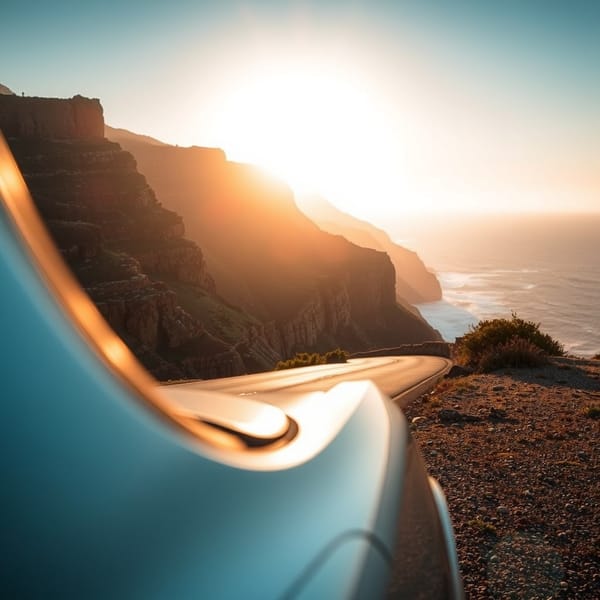
The route through Muizenberg, Fish Hoek, Simon’s Town, Cape Point and the Atlantic side offers beaches, viewpoints and wildlife areas. Allow more time than the map suggests. Coastal roads have slow-moving traffic, cyclists, pedestrians and frequent stops at viewpoints.
Fynbos and country escape
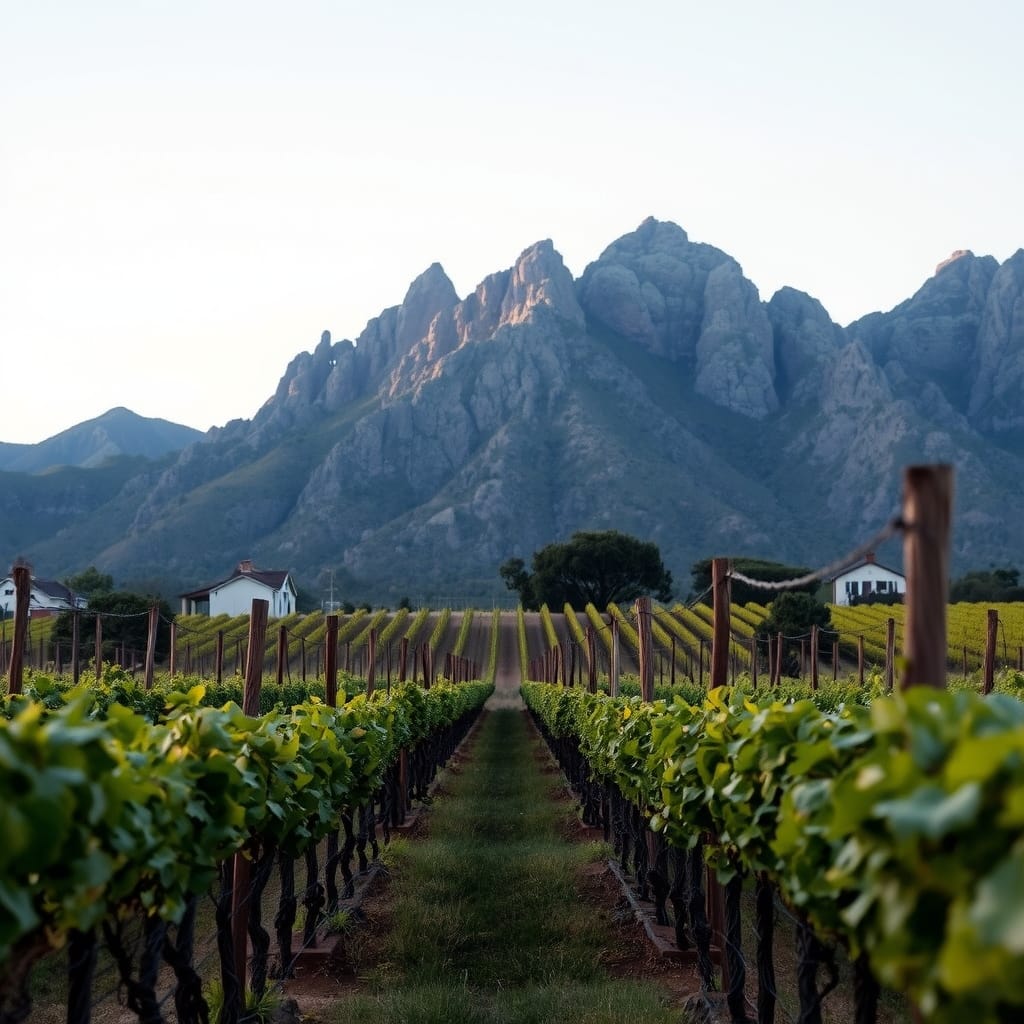
The Winelands, Overberg and southern Cape offer a slower day around reserves, farm roads and mountain passes. These routes are better suited to a full tank, offline navigation and a vehicle with sound tyres and brakes. CapeNature advises that some reserve roads are best tackled with higher ground clearance, so confirm the conditions before taking a hatchback or lowered car onto gravel.
Vehicle checks before heading out
You do not need an expensive 4x4 for every Western Cape outing, but you do need a reliable vehicle matched to the route. A sporty hatchback may be excellent on tar but uncomfortable on corrugated gravel. A bakkie may offer useful ground clearance, yet its load still needs to be secured properly.
- Check tyre pressures when the tyres are cold, including the spare.
- Inspect tread depth, sidewalls, wheel nuts and signs of uneven wear.
- Test the brakes, lights, wipers, demister and air-conditioning.
- Fill the tank before entering remote areas and do not rely on the next service station being open.
- Carry water, a first-aid kit, reflective triangles, a torch and a charged power bank.
- Download maps before leaving areas with reliable signal.
- Keep valuables out of sight and lock the car at viewpoints and trailheads.
On a steep pass, use a lower gear rather than riding the brakes. Leave extra following distance in rain, and expect cyclists, livestock, pedestrians and vehicles stopping without warning. A robot means a traffic light in South Africa, but outside built-up areas you may travel long distances without one, so defensive driving matters even more.
What to pack for a Western Cape outing
Pack for the activity rather than the photograph. Coastal wind can make a warm day feel cold, while a sheltered trail can become hot. Mountain weather may change quickly, and a late return can leave you walking in poor light.
- Two litres of drinking water per person for a strenuous day, adjusted for heat and distance.
- Sunblock, a cap, sunglasses and a light rain or wind layer.
- Comfortable shoes with grip, plus a warm layer for exposed terrain.
- Charged phones, an offline map and a written emergency contact.
- Snacks that will not melt or spoil in a hot car.
- Binoculars for birding and a small rubbish bag so you can leave the area clean.
- Cash or a bank card, after checking whether the entrance gate accepts cash.
Do not hike alone on unfamiliar routes. Tell someone where you are going, follow marked paths and turn around when the weather, daylight or your energy no longer supports the plan. Do not depend on a drone for navigation or entertainment: recreational drones are prohibited throughout Table Mountain National Park.
Permits, fees and responsible access
Table Mountain National Park pay points can cover places such as Cape Point, Boulders, Silvermine, Tokai and Oudekraal. Visitors may need a daily conservation fee, a valid Wild Card or another accepted access card, while activities such as dog walking, cycling and fishing can require separate permits.Check the current SANParks access and permit rules before travelling.
Fees and operating arrangements can change, so verify them on the official site rather than relying on an old blog post or a screenshot. At the time of writing, SANParks states that Cape Point and Boulders use cash-free entry, accepting debit and credit cards. Keep the payment method that the specific gate requires.
Responsible access also means staying on marked paths, respecting wildlife, not feeding animals and taking all rubbish home. Fires, swimming, fishing, dogs and bicycles are allowed only where the relevant authority says they are. Fynbos is especially vulnerable to damage and fire, so avoid shortcuts and extinguish any permitted braai completely.
Before you go: a simple Western Cape plan
- Choose one main activity and one realistic backup rather than squeezing several destinations into a day.
- Check the official park or reserve page for closures, permits, fees and opening times.
- Look at the weather for the town, mountain and coast instead of checking only Cape Town.
- Service the basics on your car and confirm the spare wheel is usable.
- Share your route and expected return time with someone at home.
- Leave early, keep valuables hidden and avoid rushing back after sunset.
- Recheck the conditions before entering a pass, trail or gravel road.
Sudesh Rocharam’s outdoors audience will get more from the Western Cape by treating each outing as a small expedition rather than an improvised drive. Plan the route, respect the conditions and leave enough time to enjoy the stop you came for.
FAQ
What is the best time for outdoor activities in the Western Cape?
It depends on the activity. Summer usually offers longer, drier days but can bring strong wind, heat and busy roads. Winter can deliver rain and rough coastal weather, yet some days are clear and calm. Check the forecast and the specific park conditions before leaving.
Do I need a 4x4 for Western Cape nature reserves?
Not always. Many popular sites are accessible in an ordinary car, but gravel, sand, mud and steep tracks vary by reserve. Confirm the route with the reserve, check ground clearance and never assume that a dry road will remain passable after rain.
What should I do if a trail becomes unsafe?
Turn around early, stay with your group and contact emergency services or park staff if necessary. Do not continue simply because you have already covered most of the route. Carry water, a charged phone and enough daylight for a safe return.