Winter in South Africa: Drive, Eat and Explore
Make the most of Winter in South Africa with practical advice for safer drives, outdoor plans, warm meals and weekend escapes.
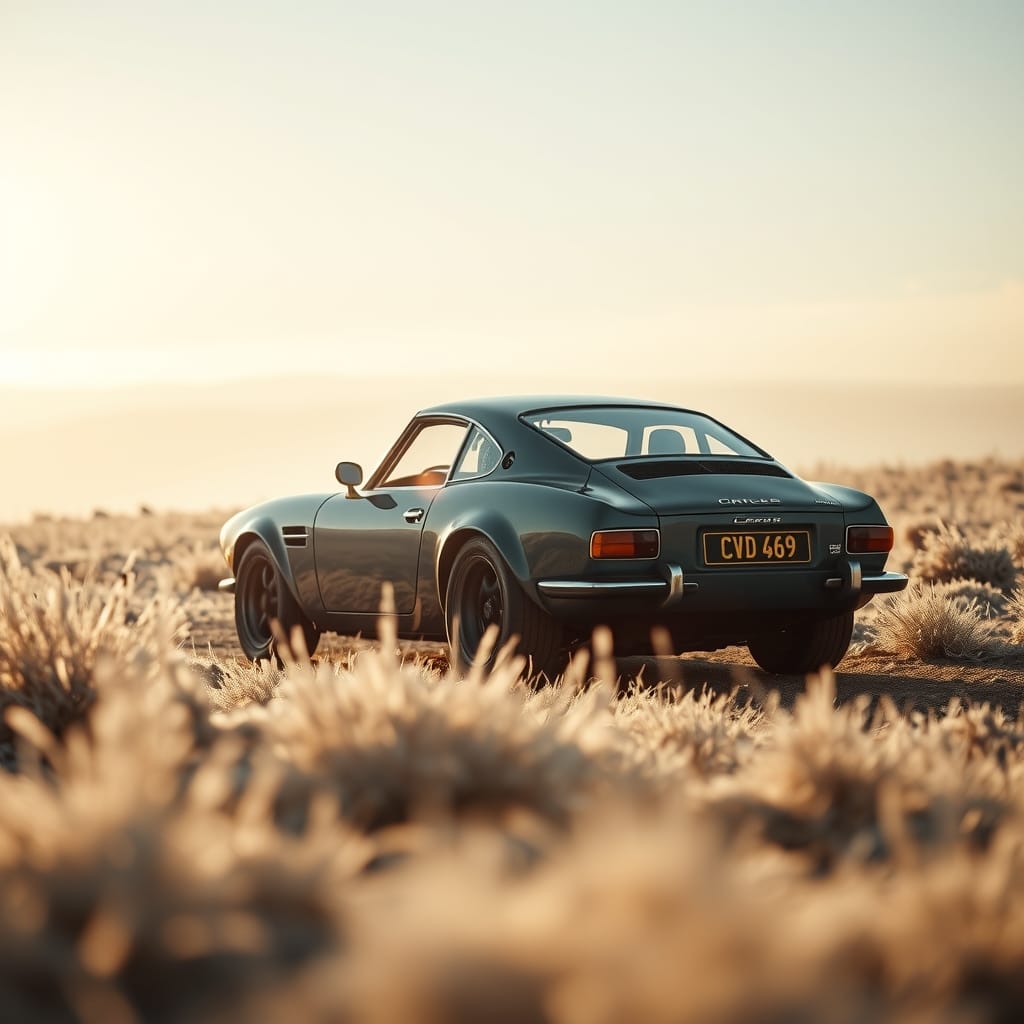
Winter in South Africa is more than cold mornings and an early sunset. For drivers, it brings mist, icy roads and weaker batteries; for outdoor enthusiasts, it offers crisp skies, quieter trails and excellent wildlife viewing. A little planning helps you enjoy the season without turning a weekend drive from Johannesburg into an avoidable repair bill or safety problem.
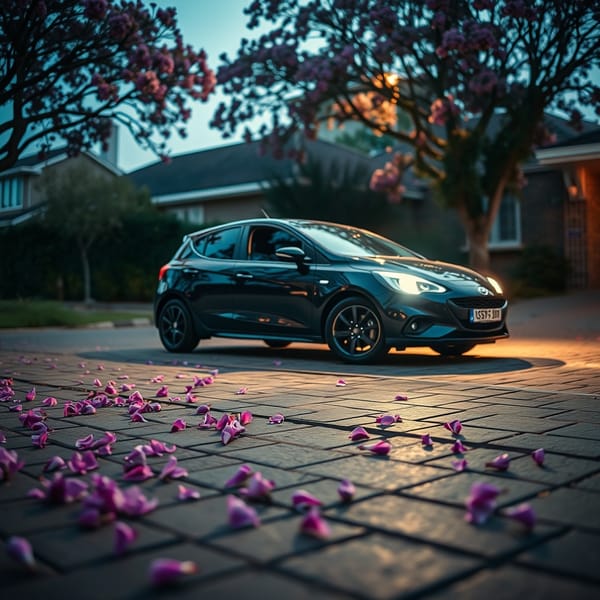
Whether you are taking a GTI to the Magaliesberg, heading towards the Drakensberg, or planning a simple braai at home, the formula is straightforward: check the forecast, prepare the vehicle, dress in layers and leave enough time to travel safely.
Winter driving starts before you leave
Cold weather exposes problems that may go unnoticed in summer. Before a longer trip, spend a few minutes checking the basics rather than relying on a dashboard warning light.
- Inspect the battery for corrosion, loose terminals and slow starting. A battery that is already weak may fail on a freezing morning.
- Check tyre pressures when the tyres are cold, using the pressure listed in the vehicle handbook or on the door frame. Inspect tread depth and look for cracks, bulges or uneven wear.
- Test the lights, including brake lights, indicators, fog lamps and hazards. Winter darkness arrives early, and visibility matters on both urban roads and mountain passes.
- Top up screen-wash fluid and make sure the wipers clear the glass properly. Do not use boiling water to clear ice from a windscreen.
- Check coolant level and inspect for leaks. The cooling system also protects the engine in cold conditions.
- Keep a reflective warning triangle, torch, phone charger, first-aid kit and warm jacket in the vehicle.
For current road information and travel planning, check SANRAL before departure. If you are travelling through fog, slow down, increase following distance and use dipped headlights rather than high beams, which can reflect glare back at you.
Winter routes from Johannesburg worth planning
Winter is a good time for a day drive because the dry Highveld air often brings clear views. The route still needs to match your vehicle, passengers and daylight hours.
Magaliesberg and Hartbeespoort
The roads around Hartbeespoort and the Magaliesberg offer a manageable escape from Johannesburg, with viewpoints, restaurants and outdoor activities along the way. Watch for cyclists, pedestrians, animals and sudden changes in visibility near rises and bends. Avoid treating a quiet road as a racetrack.
Clarens and the Golden Gate area
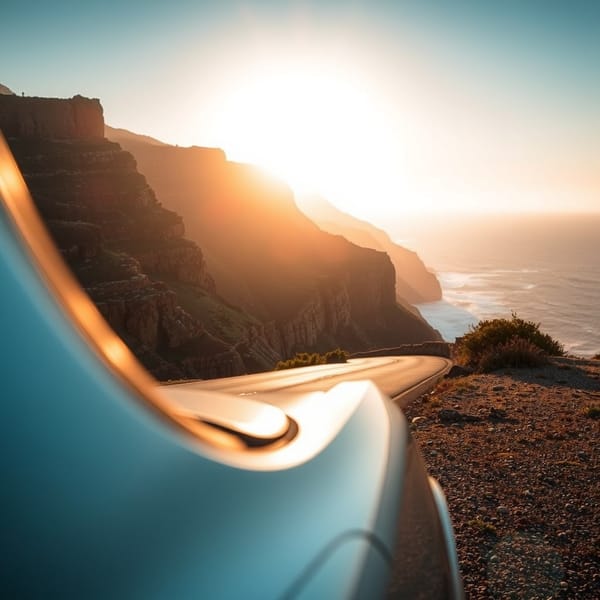
The Free State can become very cold after sunset, while frost and ice may affect shaded sections. Pack proper warm clothing, fill up before remote stretches and confirm accommodation and road conditions before leaving. Mountain weather can change quickly, even when Johannesburg is bright and mild.
Kruger National Park
Dry winter conditions can improve visibility for wildlife viewing, but early starts are cold and animals remain unpredictable. Follow park speed limits, stay inside the vehicle where required and never approach wildlife on foot. Plan through the official SANParks website, which provides information for parks, reservations and visitor planning.
What to pack for a South African winter outing
Good preparation does not require an overloaded boot. Pack items that solve the most likely problems first.
- Layered clothing, including a base layer, fleece or jersey and windproof outer layer.
- Beanie, gloves and spare socks for early starts or high-altitude areas.
- Comfortable shoes with suitable grip for uneven paths.
- Water, snacks and a thermos of coffee or tea.
- Sunscreen, sunglasses and lip balm. Winter sun can still burn, especially at altitude.
- Power bank, offline map and a small rubbish bag.
- Rain shell or compact umbrella, even when the morning forecast looks clear.
- Basic medication and any personal prescriptions.
For hikes, tell someone where you are going and when you expect to return. Do not start a demanding trail late in the afternoon simply because the weather feels comfortable. Keep your phone charged, stay on marked routes and turn around when conditions or daylight deteriorate.
Warm winter food without overcomplicating it
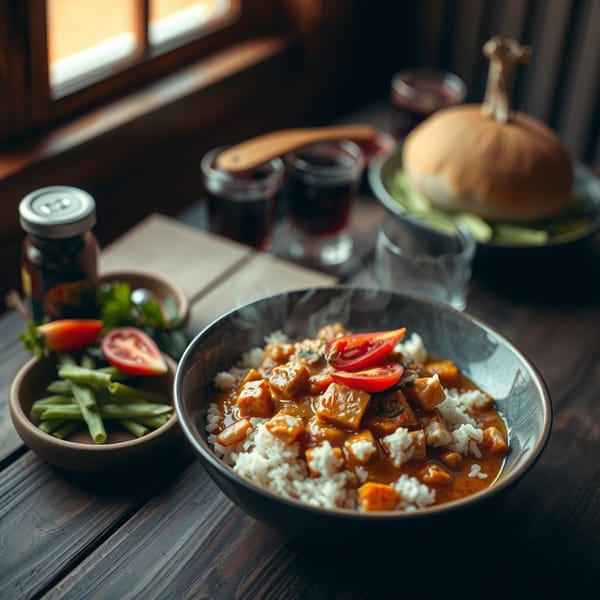
Cold weather suits food that is filling, affordable and easy to serve. A pot of beans, lentils, curry or stew can feed several people and often tastes better after resting. Serve it with fresh bread, rice or pap, depending on the occasion.
For a braai, choose a mix of quick-cooking items and something that can stay warm while guests arrive. Boerewors, chicken portions, mielies and vegetables in foil are practical options. Keep raw meat chilled until cooking, use separate utensils for raw and cooked food, and make sure poultry and mince are cooked through.
Winter is also a useful season to support local cafés and restaurants after a day outside. Look for hearty soups, curries, bunny chow, potjies and baked puddings, but check trading hours before driving a long distance. Load-shedding can affect kitchens and card machines, so carrying a small amount of cash and confirming arrangements is sensible.
Winter costs: save without cutting safety
Seasonal trips become expensive when small oversights turn into emergencies. Compare the likely cost of preparation with the disruption caused by a breakdown or delayed return.
- Vehicle check: usually far cheaper than replacing a damaged tyre, recovering a stranded car or repairing an overheated engine.
- Fuel planning: use the route distance, your vehicle's real-world consumption and a reserve for diversions and traffic.
- Accommodation: compare cancellation terms, heating arrangements and distance from activities, not only the nightly rate.
- Outdoor equipment: buy or borrow warm layers and proper footwear before a trip rather than improvising with unsuitable clothing.
- Food: pack breakfast and snacks for remote routes, then budget for one proper meal at your destination.
Petrol prices change, so check the current rate before calculating the trip. A clean, correctly inflated tyre also helps fuel efficiency, but never overinflate beyond the manufacturer's recommendation.
Before you go: a practical Winter checklist
- Check the weather forecast for both departure and destination.
- Inspect tyres, battery, fluids, wipers and lights.
- Download maps and save emergency contacts.
- Tell a trusted person your route and expected return time.
- Confirm park access, accommodation, restaurant hours and booking requirements.
- Pack warm layers, water, food, medication and a charged power bank.
- Leave early enough to finish outdoor activities in daylight.
- Drive to the conditions, not the posted speed limit.
Winter rewards the prepared driver. Get the car ready, choose a realistic route and leave room for weather, traffic and the unexpected. That approach gives you more time to enjoy the road, the meal and the landscape.
FAQ
What should I check on my car before Winter road trips?
Check tyre condition and pressure, battery health, coolant, screen-wash, wipers, lights and emergency equipment. A professional inspection is sensible if the car has been slow to start, pulls to one side or shows warning lights.
Is Winter a good time to visit South African parks?
Yes, dry conditions can make wildlife easier to spot in some areas, but mornings are cold and conditions vary by park. Confirm access, accommodation, rules and current information with the official park authority before travelling.
What should I wear for Winter hikes near Johannesburg?
Use layers: a moisture-managing base, warm mid-layer and windproof outer layer. Add a hat, gloves and grippy shoes, and carry water, sunscreen and a rain layer even on a clear morning.